Scroll thethe rabbit holerabbit hole

Explore Wikipedia like a personalized feed, follow ideas and concepts, and give meaning to doomscrolling.

Transhumanism

Transhumanism is a philosophical movement that advocates the enhancement of the human condition by developing and making widely available new and future technologies to enhance longevity, cognition, and well-being. Influenced by seminal works of science fiction, the transhumanist vision of a transformed future humanity has many supporters and detractors from a wide range of perspectives, including philosophy and religion. Some critics argue that transhumanism amounts to little more than a "rebranding" of eugenics.

PhilosophyWorld

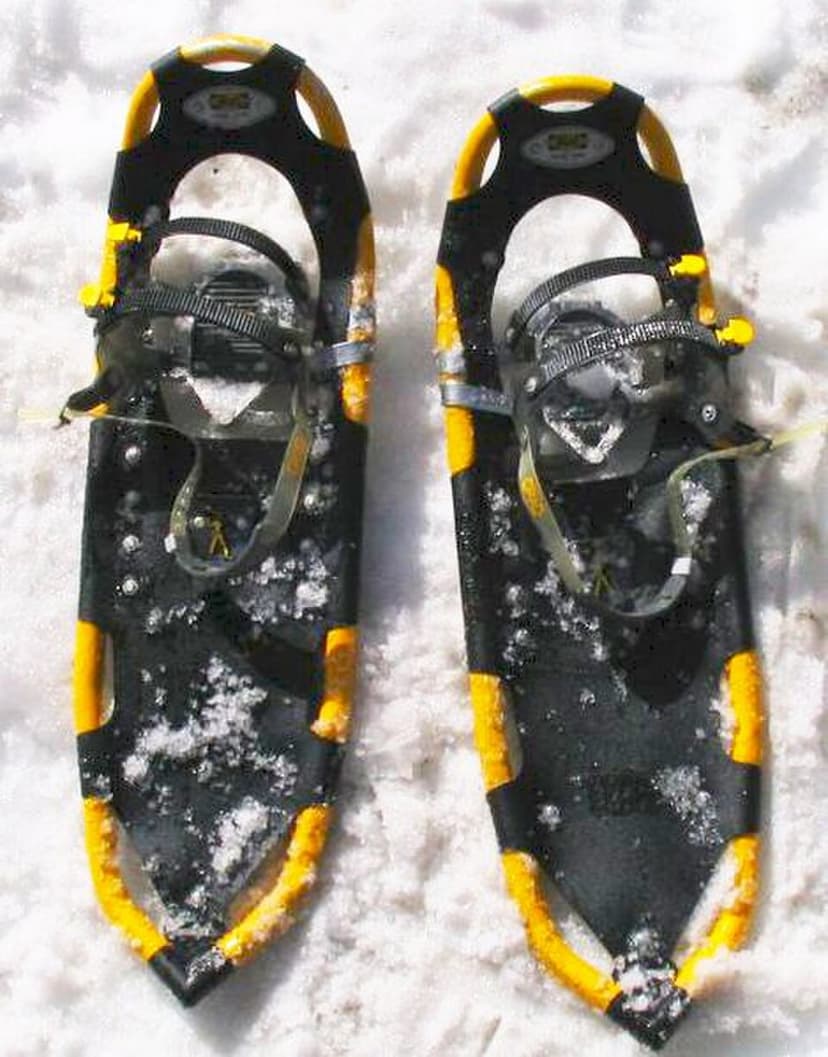
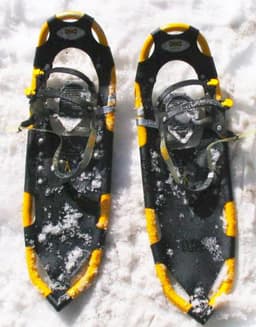
Snowshoe

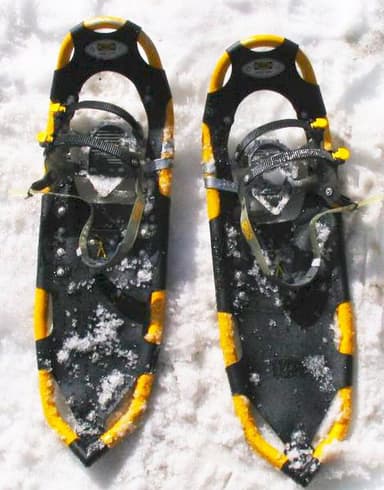
Snowshoes are specialized outdoor gear for walking over snow. Their large footprint spreads the user's weight out and allows them to travel largely on top of rather than through snow. Adjustable bindings attach them to appropriate winter footwear.

Fashion

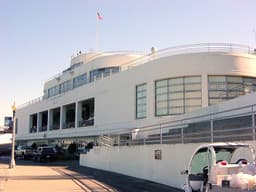
Streamline Moderne

Streamline Moderne is an international style of Art Deco architecture and design that emerged in the 1930s. Inspired by aerodynamic design, it emphasized curving forms, long horizontal lines, and sometimes nautical elements. In industrial design, it was used in railroad locomotives, telephones, buses, appliances, and other devices to give the impression of sleekness and modernity.

Architecture

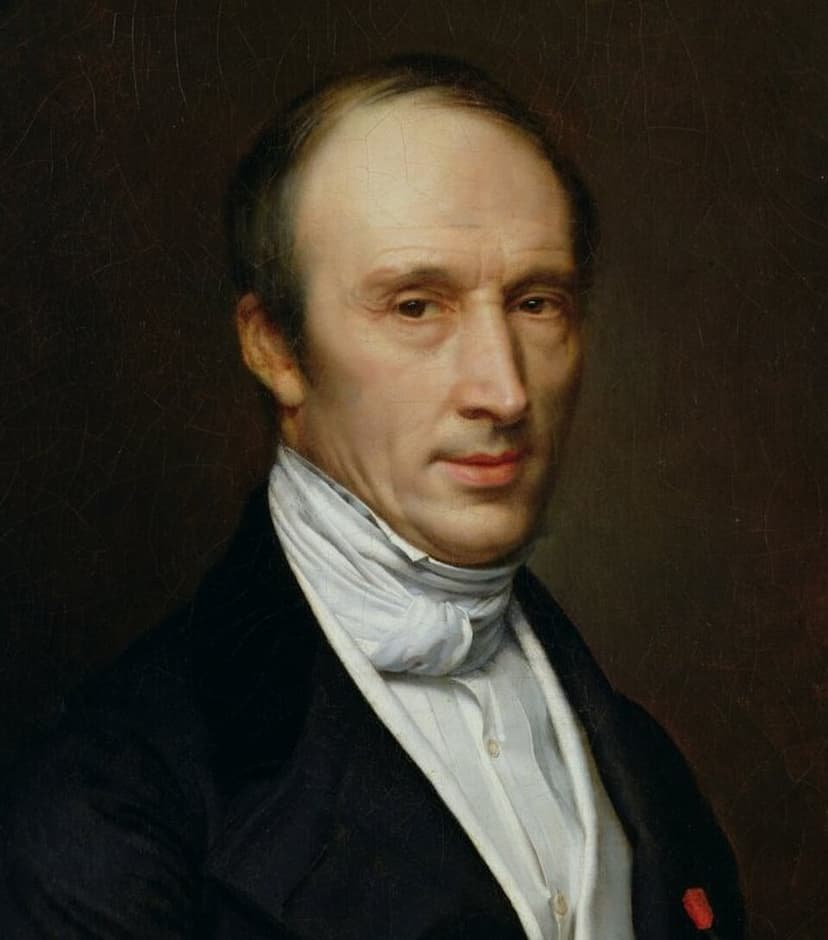
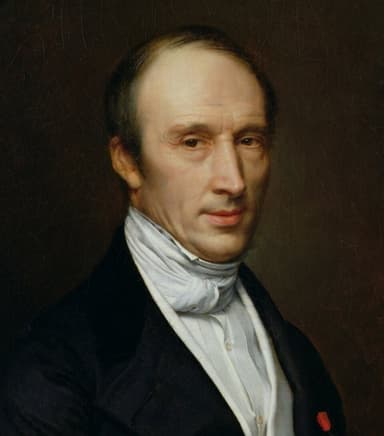
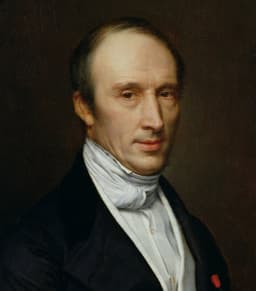
Augustin-Louis Cauchy

Baron Augustin-Louis Cauchy (21 August 1789 – 23 May 1857) was a French mathematician, engineer, and physicist. He was one of the first to rigorously state and prove the key theorems of calculus (thereby creating real analysis), pioneered the field complex analysis, and the study of permutation groups in abstract algebra. Cauchy also contributed to a number of topics in mathematical physics, notably continuum mechanics.

Worldview

A worldview (also world-view or world view) or Weltanschauung is the fundamental cognitive orientation of an individual or society encompassing the whole of the individual's or society's knowledge, culture, and point of view. When two parties view the same real world phenomenon, if their world views differ, one may include elements that the other does not leading to differing conclusions, despite the shared reference point.

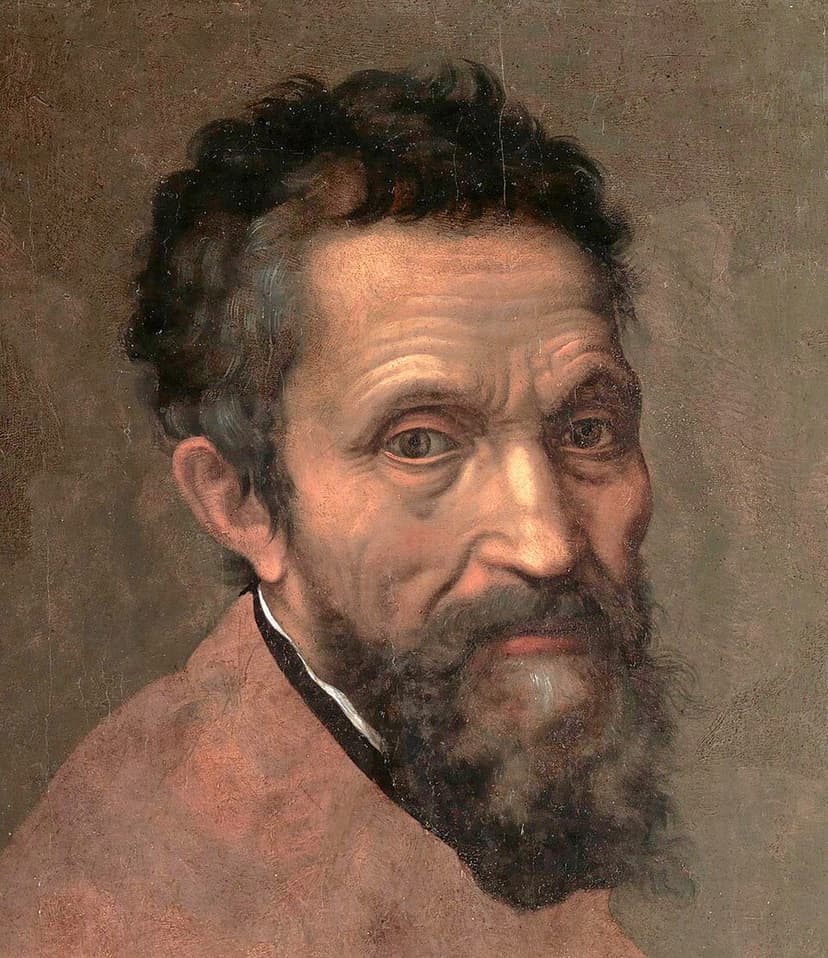
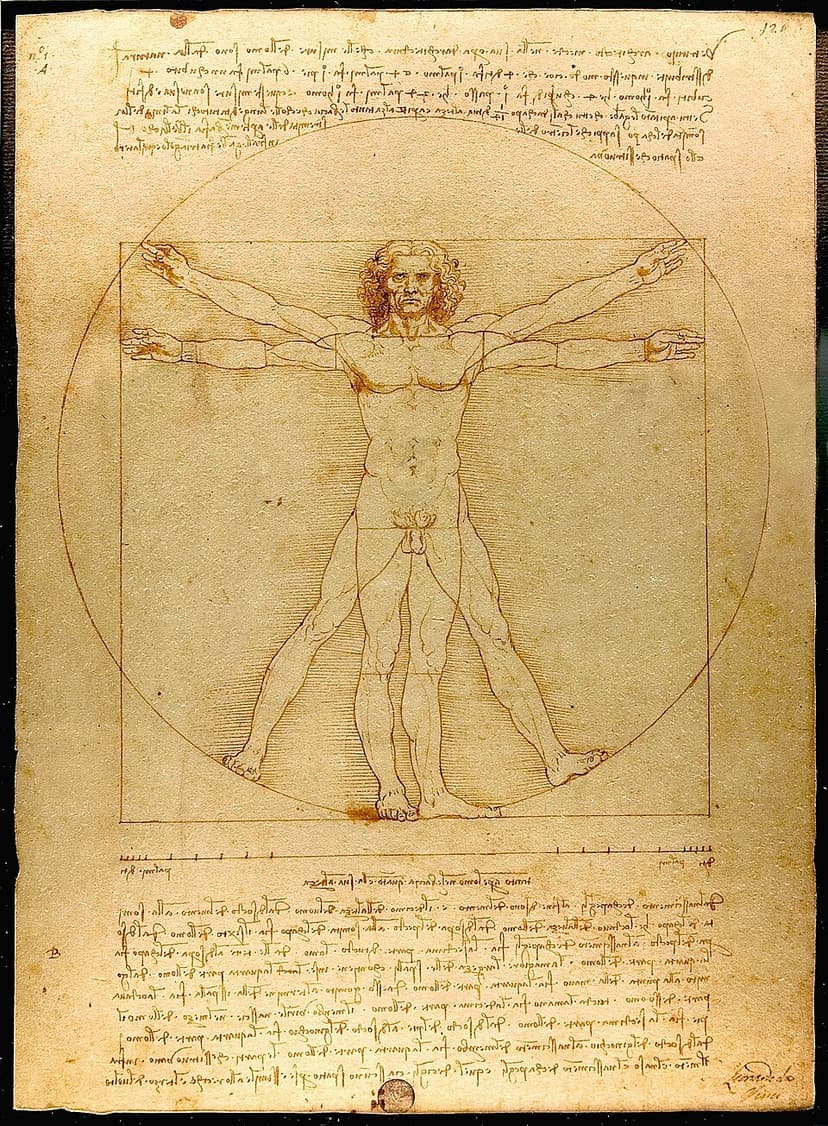
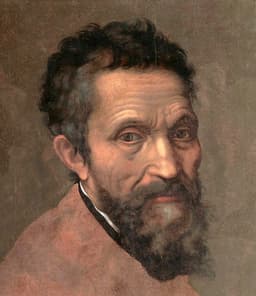
Michelangelo

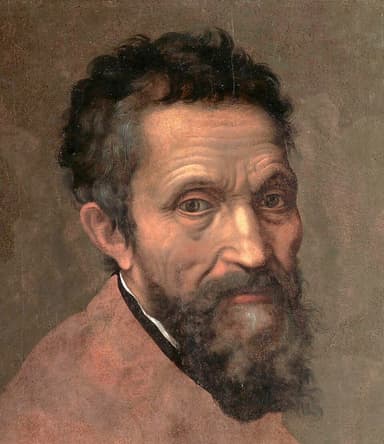
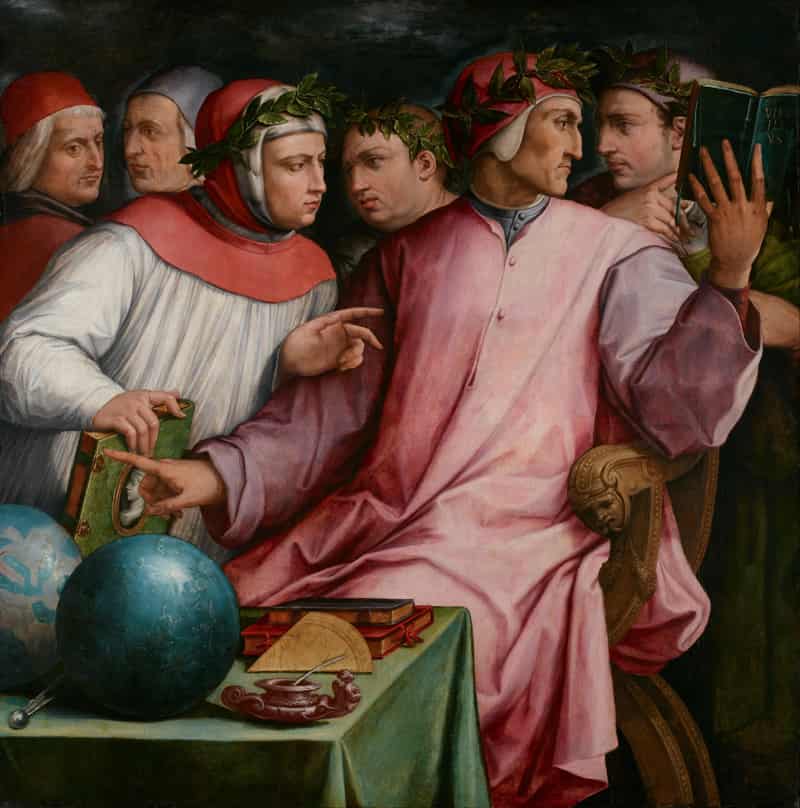
Michelangelo di Lodovico Buonarroti Simoni (6 March 1475 – 18 February 1564), known mononymously as Michelangelo, was an Italian sculptor, painter, architect, and poet of the High Renaissance. He was born in the Republic of Florence but was mostly active in Rome from his 30s onwards. His work was inspired by models from classical antiquity and had a lasting influence on Western art. Michelangelo's creative abilities and mastery in a range of artistic arenas define him as an archetypal Renaissance man, along with his rival and elder contemporary, Leonardo da Vinci. Given the sheer volume of surviving correspondence, sketches, and reminiscences, Michelangelo is one of the best-documented artists of the 16th century. He was lauded by contemporary biographers as the most accomplished artist of
PaintingVisual artsVatican City

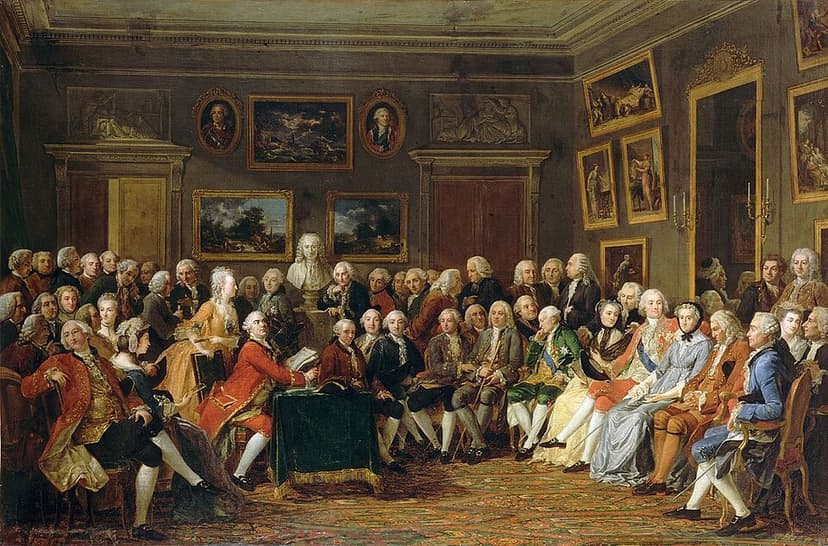
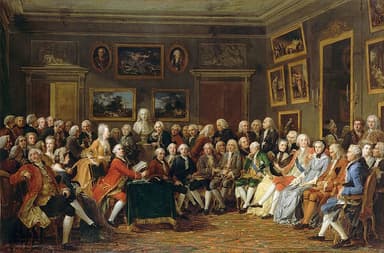
Age of Enlightenment

The Age of Enlightenment, also known as the Age of Reason or simply the Enlightenment, was a period of intellectual and cultural flourishing in Europe and Western civilization, emerging in the late 17th century in Western Europe. It reached its peak in the 18th century as its ideas spread more widely across Europe and into the European colonies in the Americas and Oceania. Characterized by an emphasis on reason, empirical evidence, and the scientific method, the Enlightenment promoted ideals of individual liberty, religious tolerance, progress, and natural rights. Its thinkers advocated for constitutional government, the separation of church and state, and the application of rational principles to social and political reform.

LiberalismPoliticsVatican City

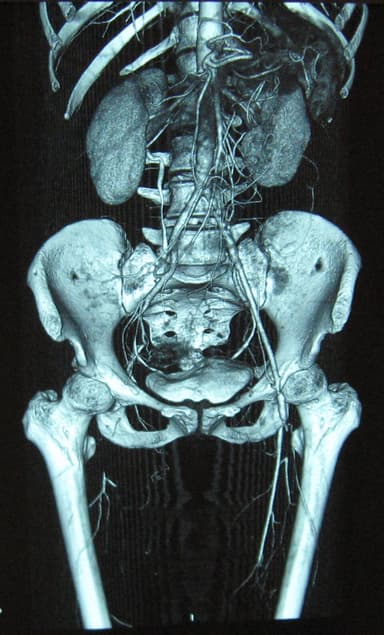
Thromboangiitis obliterans

Thromboangiitis obliterans, also known as Buerger disease (English /ˈbɜːrɡər/; German: [ˈbʏʁɡɐ]) or Winiwarter-Buerger disease, is a recurring progressive inflammation and thrombosis (clotting) of small and medium arteries and veins of the hands and feet. It is strongly associated with use of tobacco products, primarily from smoking, but is also associated with smokeless tobacco.

Nerva–Antonine dynasty

The Nerva–Antonine dynasty comprised seven Roman emperors who ruled from 96 AD to 192: Nerva (96–98), Trajan (98–117), Hadrian (117–138), Antoninus Pius (138–161), Marcus Aurelius (161–180), Lucius Verus (161–169), and Commodus (177–192). The first five of these are popularly known as the "Five Good Emperors".

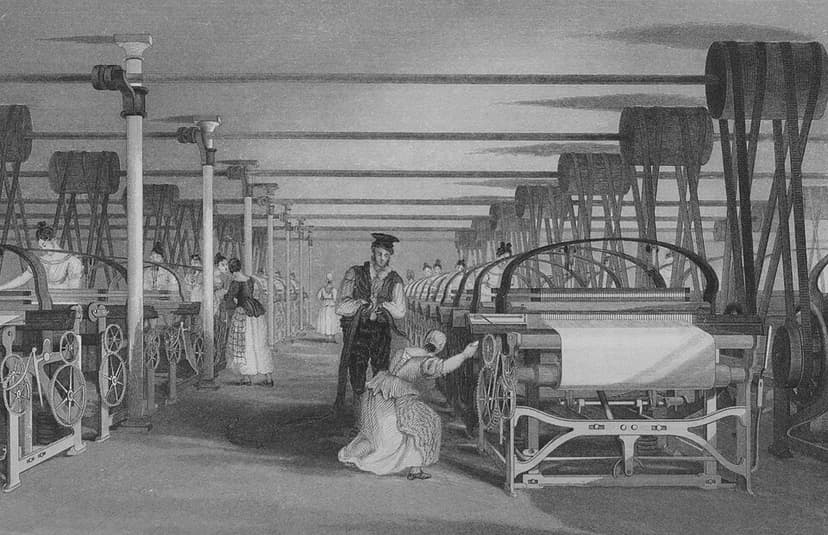
Industrial Revolution

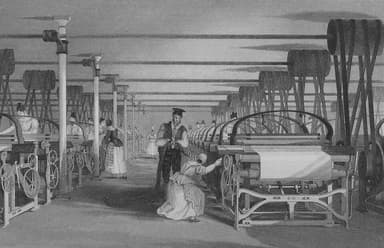
The Industrial Revolution, sometimes called the First Industrial Revolution in contrast to the subsequent Second Industrial Revolution, was a transitional period of the global economy toward more widespread, efficient and stable manufacturing processes, succeeding the Second Agricultural Revolution. Beginning in Great Britain around 1760, the Industrial Revolution had spread to continental Europe and the United States by about 1840. Economic historians agree that the onset of the Industrial Revolution is the most important event in human history, comparable only to the adoption of agriculture with respect to material advancement.

TechnologyCapitalismBusiness

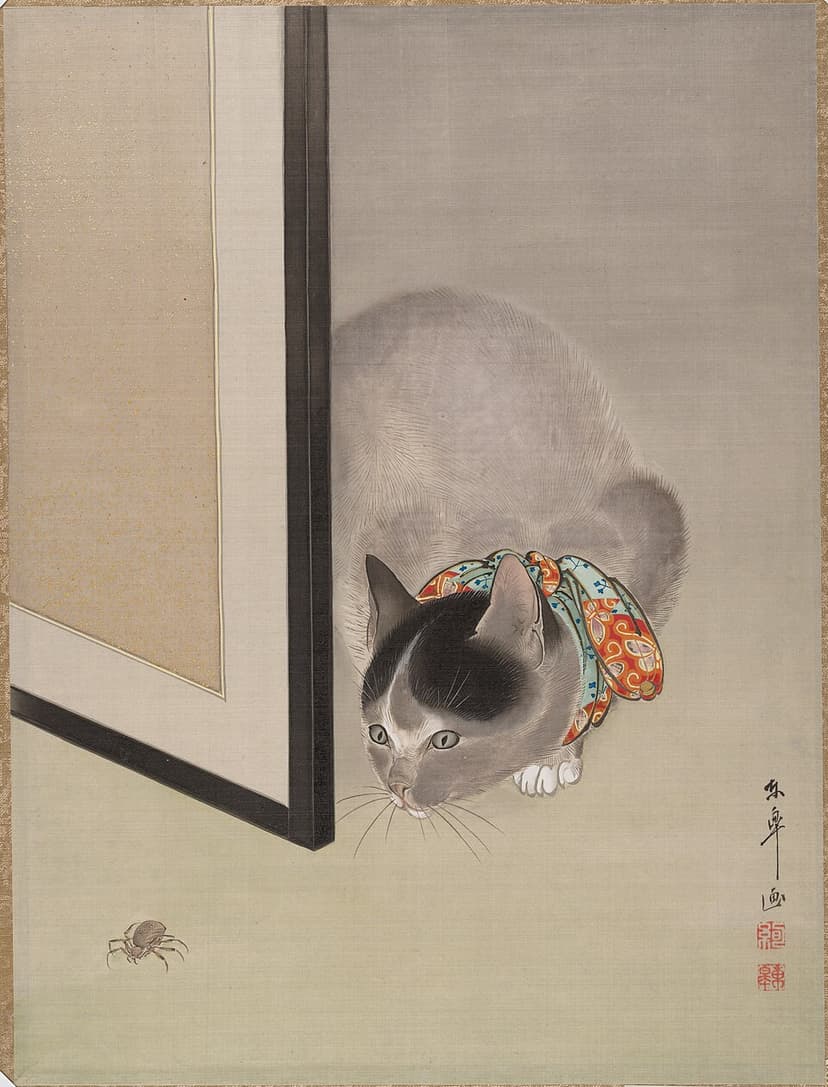
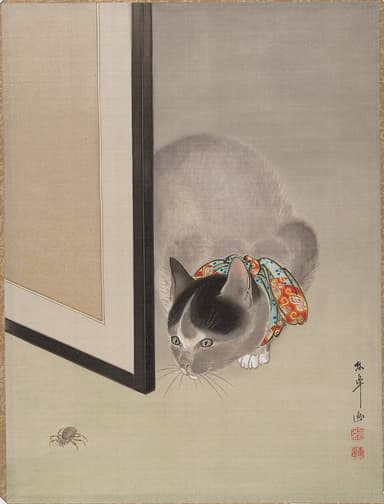
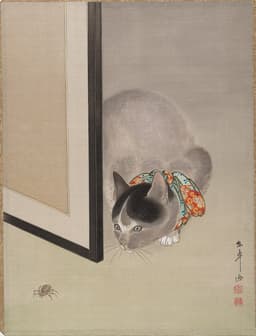
Cultural depictions of cats

The cultural depiction of cats and their relationship to humans is old and stretches back over 9,500 years. Cats are featured in the history of many nations, are the subject of legend, and are a favourite subject of artists and writers.

Cats

Art Deco

Art Deco, short for the French Arts décoratifs (lit. 'Decorative Arts'), is a style of visual arts, architecture, and product design that first appeared in Paris in the 1910s just before World War I and flourished internationally during the 1920s to early 1930s, through styling and design of the exterior and interior of anything from large structures to small objects, including clothing, fashion, and jewelry. Art Deco has influenced buildings from skyscrapers to cinemas, bridges, ocean liners, trains, cars, trucks, buses, furniture, and everyday objects, including radios and vacuum cleaners.

Architecture

Black Death

The Black Death was a plague pandemic that occurred in Europe from 1346 to 1353. It was one of the most fatal pandemics in human history; as many as 50 million people died, perhaps 50% of Europe's 14th-century population. The disease is caused by the bacterium Yersinia pestis and is spread by fleas and through the air. One of the most significant events in European history, the Black Death had far-reaching population, economic, and cultural effects. It was the beginning of the second plague pandemic. The plague created religious, social, and economic upheavals, with profound effects on the course of European history.

Ireland

X-ray optics

X-ray optics is the branch of optics dealing with X-rays, rather than visible light. It deals with focusing and other ways of manipulating the X-ray beams for research techniques such as X-ray diffraction, X-ray crystallography, X-ray fluorescence, small-angle X-ray scattering, X-ray microscopy, X-ray phase-contrast imaging, and X-ray astronomy.

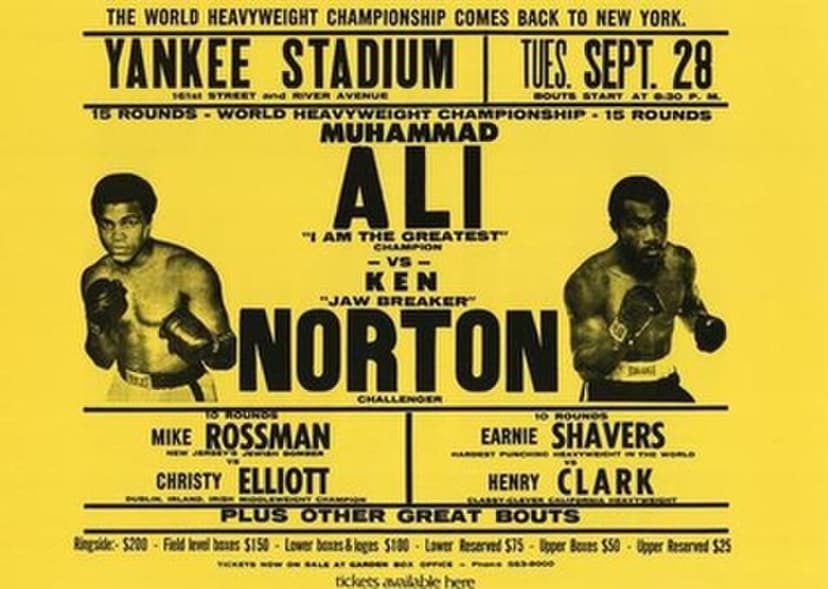
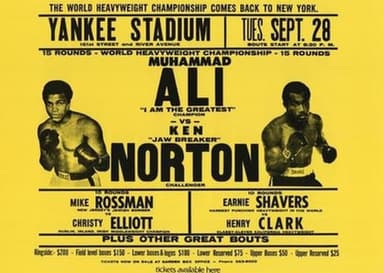
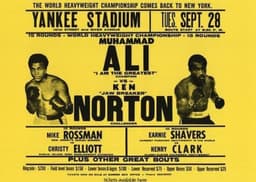
Muhammad Ali vs. Ken Norton III

Muhammad Ali vs. Ken Norton III was a professional boxing match contested on September 28, 1976, for the undisputed heavyweight championship. Ali won by a controversial unanimous decision.

Glutamate flavoring

Glutamate flavoring is the generic name for flavor-enhancing compounds based on glutamic acid and its salts (glutamates). These compounds provide a savory taste to food.

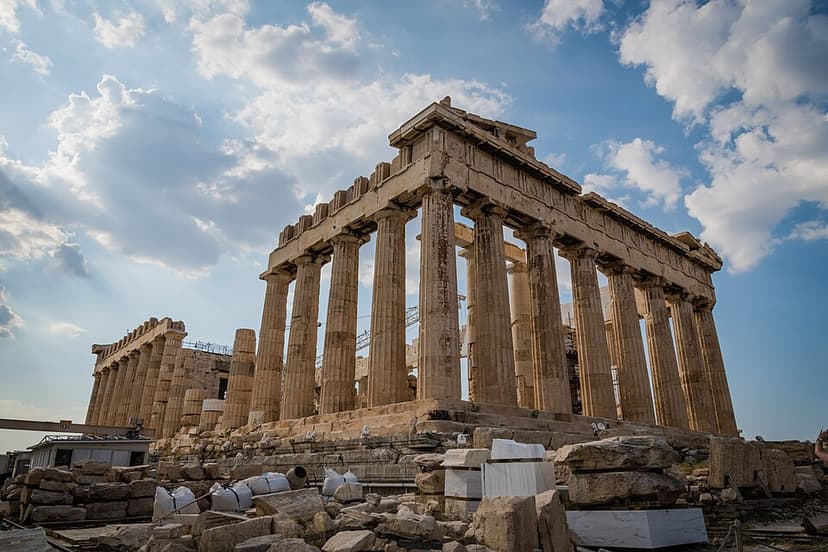
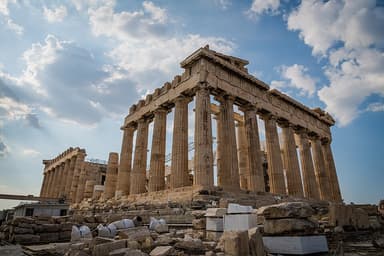
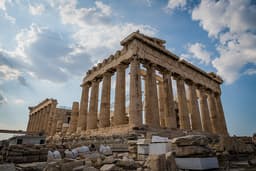
Ancient Greece

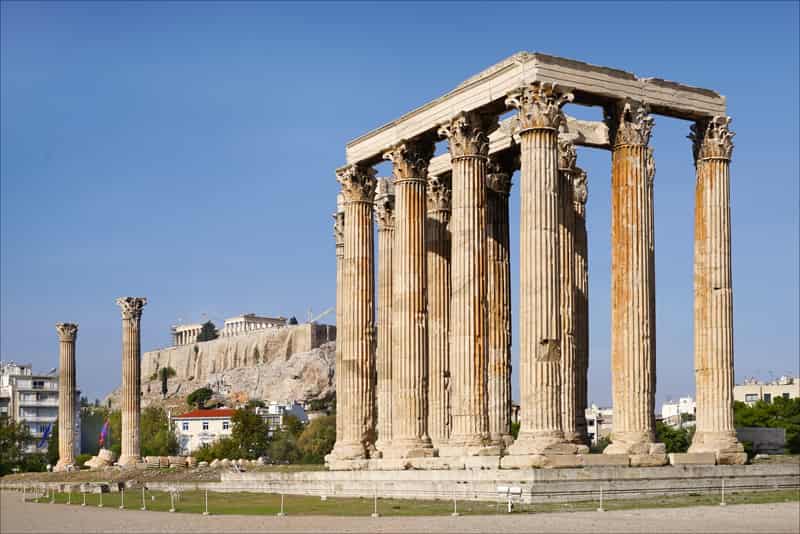
Ancient Greece (Ancient Greek: Ἑλλάς, romanized: Hellás) was a northeastern Mediterranean civilization, existing from the Greek Dark Ages of the 12th–9th centuries BC to the end of classical antiquity (c. 600 AD), comprising a loose collection of culturally and linguistically related city-states and communities. Prior to the Roman period, most of these regions were officially unified only once under the Kingdom of Macedon from 338 to 323 BC. In Western history, the era of classical antiquity was immediately followed by the Early Middle Ages and the Byzantine period.

GreeceAncient GreeceCivilizations

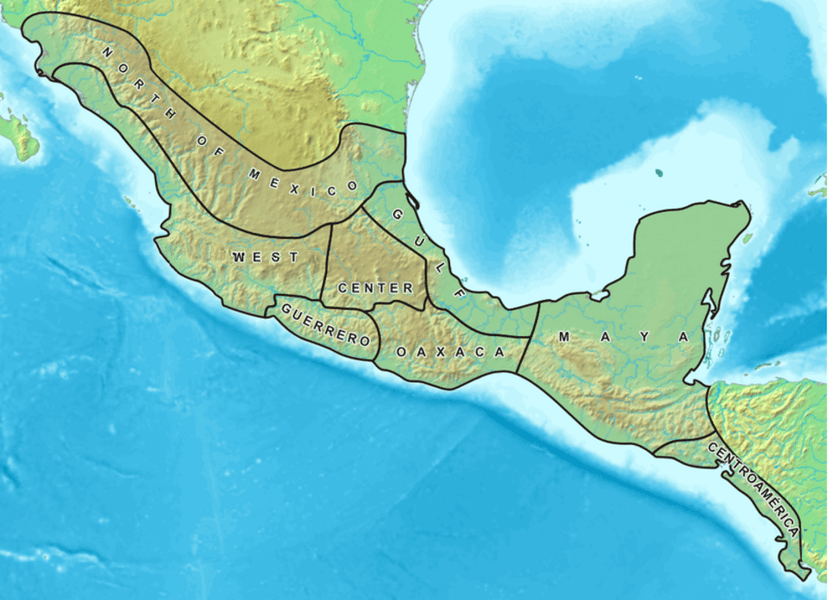
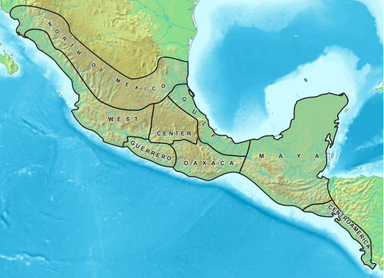
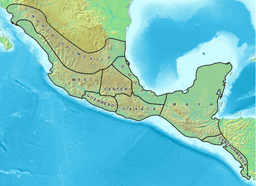
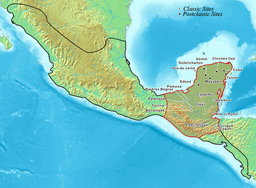
Mesoamerica

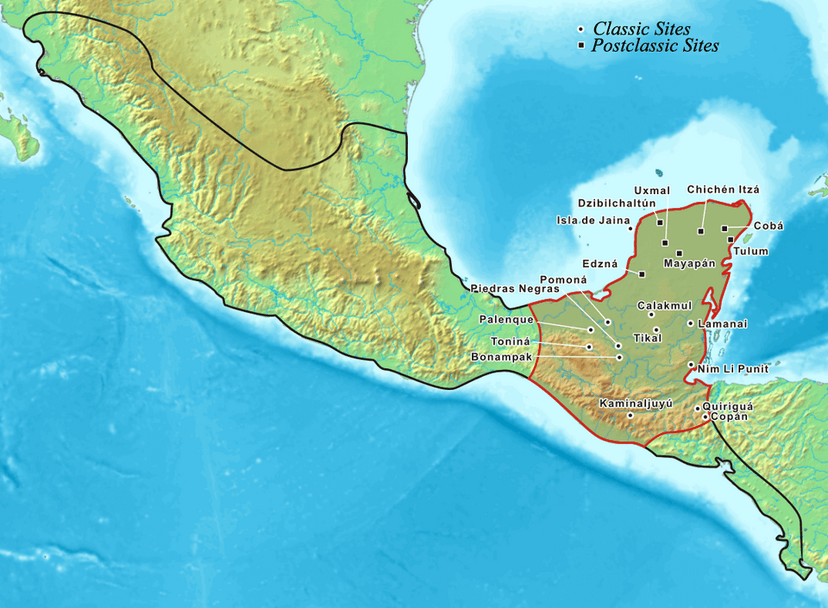
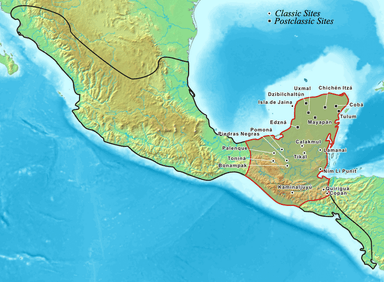
Mesoamerica is a historical region and cultural area comprising the present day lands of central and southern Mexico, all of Belize, Guatemala, El Salvador, western Honduras, and the Greater Nicoya region of Nicaragua and Costa Rica. As a cultural area, Mesoamerica is defined by a mosaic of cultural traits developed and shared by its indigenous cultures.

MesoamericaGeographyLatin America

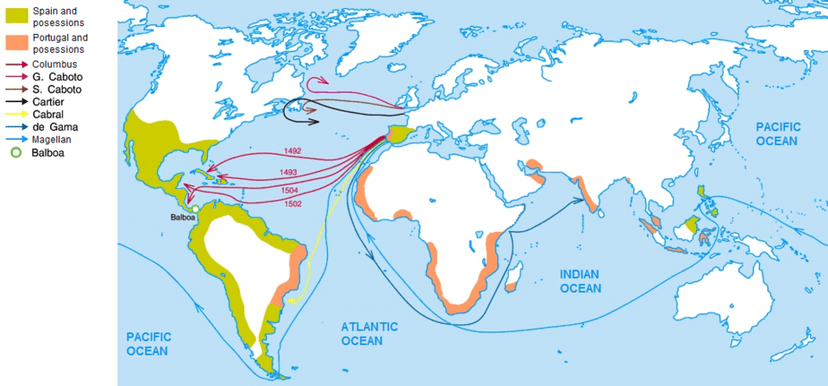
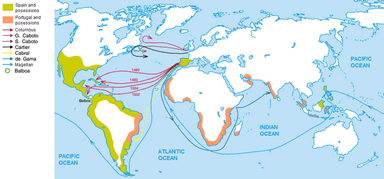
Age of Discovery

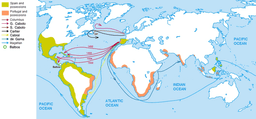
The Age of Discovery (c. 1418 – c. 1620), also known as the Age of Exploration, was part of the early modern period and overlapped with the Age of Sail. It was a period from approximately the 15th to the 17th century, during which seafarers from European countries explored, colonized, and conquered regions across the globe. The Age of Discovery was a transformative period when previously isolated parts of the world became connected to form the world-system, and laid the groundwork for globalization. The extensive overseas exploration, particularly the opening of maritime routes to the East Indies and European colonization of the Americas by the Spaniards and Portuguese, later joined by the English, French, and Dutch, spurred international global trade. The interconnected global economy of

GeographyHistoryOceans

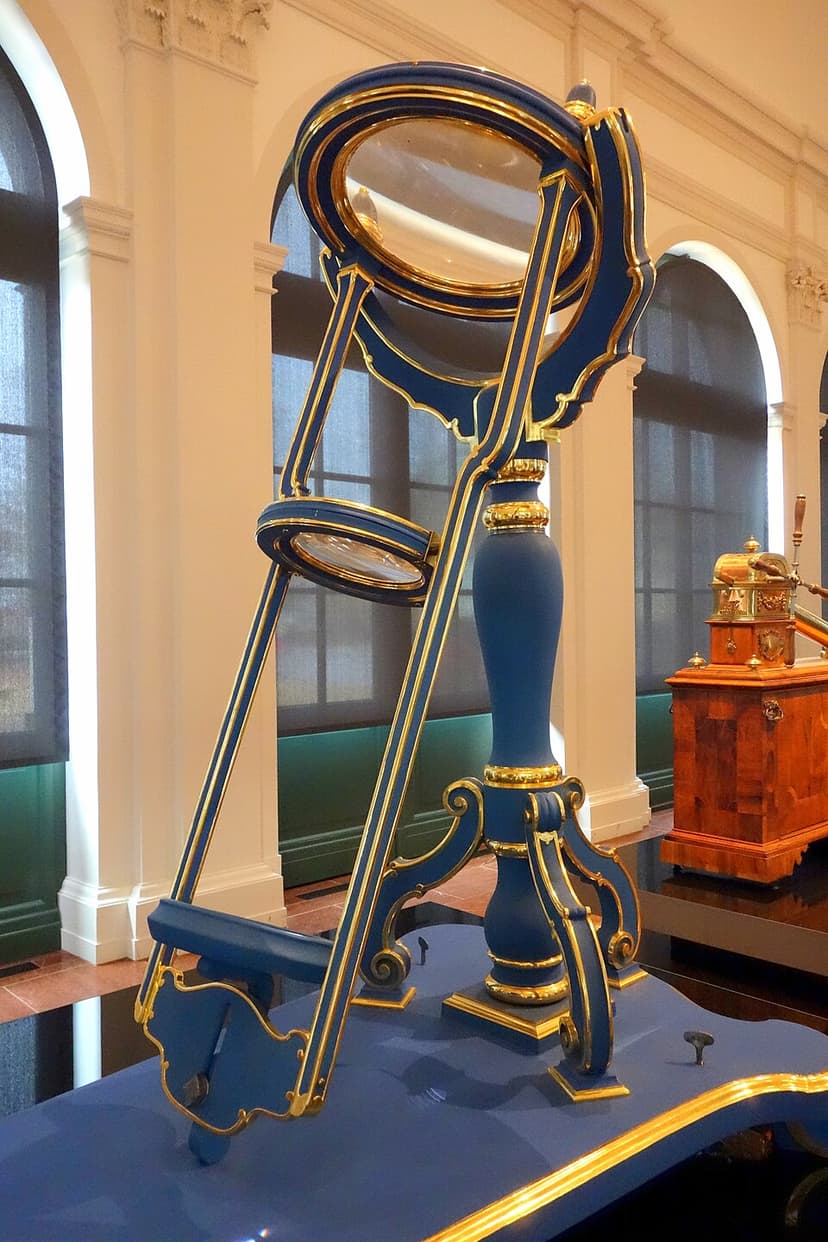
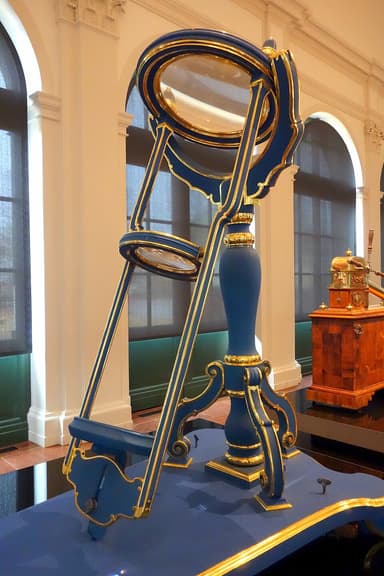
Lens

A lens is a transmissive optical device that focuses or disperses a light beam by means of refraction. A simple lens consists of a single piece of transparent material, while a compound lens consists of several simple lenses (elements), usually arranged along a common axis. Lenses are made from materials such as glass or plastic and are ground, polished, or molded to the required shape. A lens can focus light to form an image, unlike a prism, which refracts light without focusing. Devices that similarly focus or disperse waves and radiation other than visible light are also called "lenses", such as microwave lenses, electron lenses, acoustic lenses, or explosive lenses.

Evolution

Evolution is the change in the heritable characteristics of biological populations over successive generations. It occurs when evolutionary processes such as genetic drift and natural selection act on genetic variation, resulting in certain characteristics becoming more or less common within a population over successive generations. The process of evolution has given rise to biodiversity at every level of biological organisation.

Evolutionary biologyEvolution

Life

Life is matter that has biological processes, such as signaling and the ability to sustain itself. It is defined descriptively by the capacity for homeostasis, organisation, metabolism, growth, adaptation, response to stimuli, and reproduction. All life eventually reaches a state of death, and none is immortal. Many philosophical definitions of living systems have been proposed, such as self-organizing systems. Defining life is further complicated by viruses, which replicate only in host cells, and the possibility of extraterrestrial life, which could be very different from life on Earth. Life exists all over the Earth in air, water, and soil, with many ecosystems forming the biosphere. Some of these are harsh environments occupied only by extremophiles. The life in a particular ecosystem

Evolutionary biologyOuter spaceAstronomy

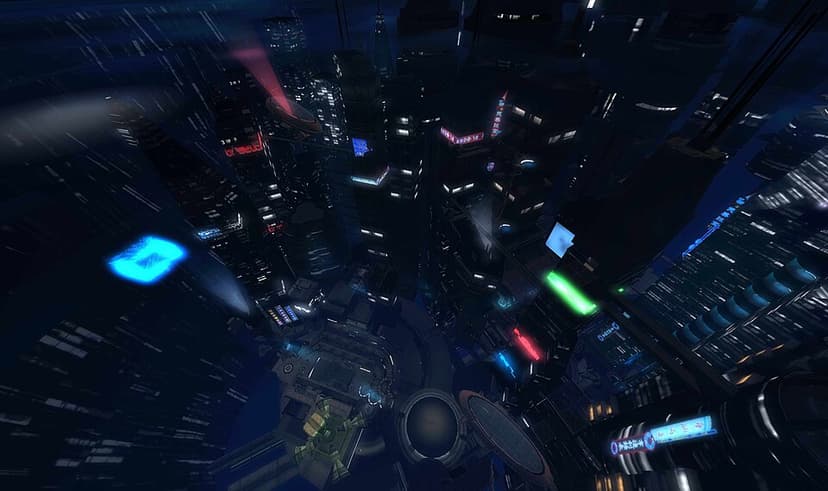
Cyberpunk

Cyberpunk is a subgenre of science fiction set in a dystopian future. It is characterized by its focus on a combination of "lowlife and high tech". It features a range of futuristic technological and scientific achievements, including artificial intelligence and cyberware, which are juxtaposed with societal collapse, dystopia or decay. A significant portion of cyberpunk can be traced back to the New Wave science fiction movement of the 1960s and 1970s. During this period, prominent writers such as Philip K. Dick, Michael Moorcock, Roger Zelazny, John Brunner, J. G. Ballard, Philip José Farmer and Harlan Ellison explored the impact of technology, drug culture, and the sexual revolution. These authors diverged from the utopian inclinations prevalent in earlier science fiction.

SocietyLiteratureSpeculative fiction

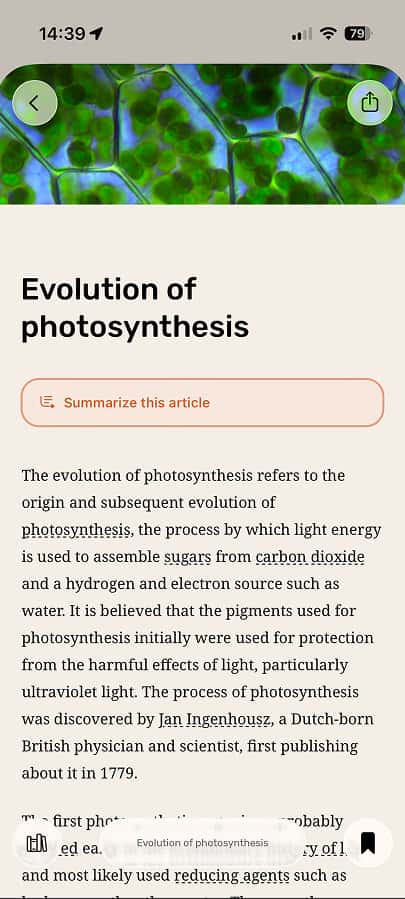
Evolution of photosynthesis

The evolution of photosynthesis refers to the origin and subsequent evolution of photosynthesis, the process by which light energy is used to assemble sugars from carbon dioxide and a hydrogen and electron source such as water. It is believed that the pigments used for photosynthesis initially were used for protection from the harmful effects of light, particularly ultraviolet light. The process of photosynthesis was discovered by Jan Ingenhousz, a Dutch-born British physician and scientist, first publishing about it in 1779.

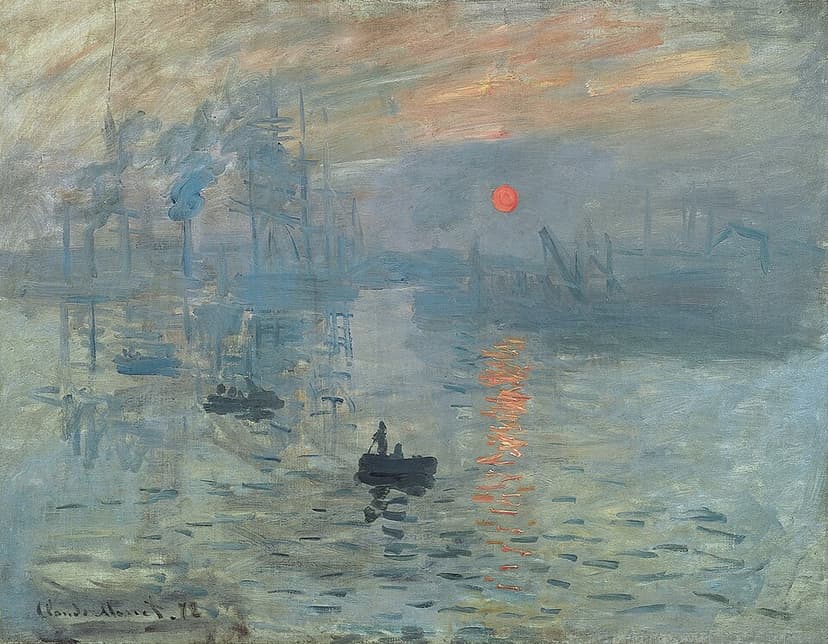
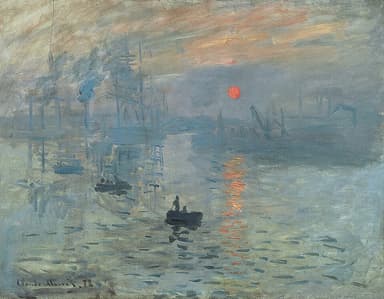
Impressionism

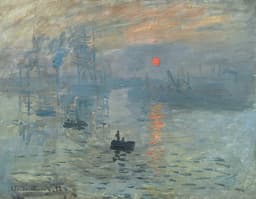
Impressionism was a 19th-century art movement characterised by visible brush strokes, open composition, emphasis on accurate depiction of light in its changing qualities (often accentuating the effects of the passage of time), ordinary subject matter, unusual visual angles, and inclusion of movement as a crucial element of human perception and experience. Impressionism originated with a group of Paris-based artists whose independent exhibitions brought them to prominence during the 1870s and 1880s.

FranceVisual arts

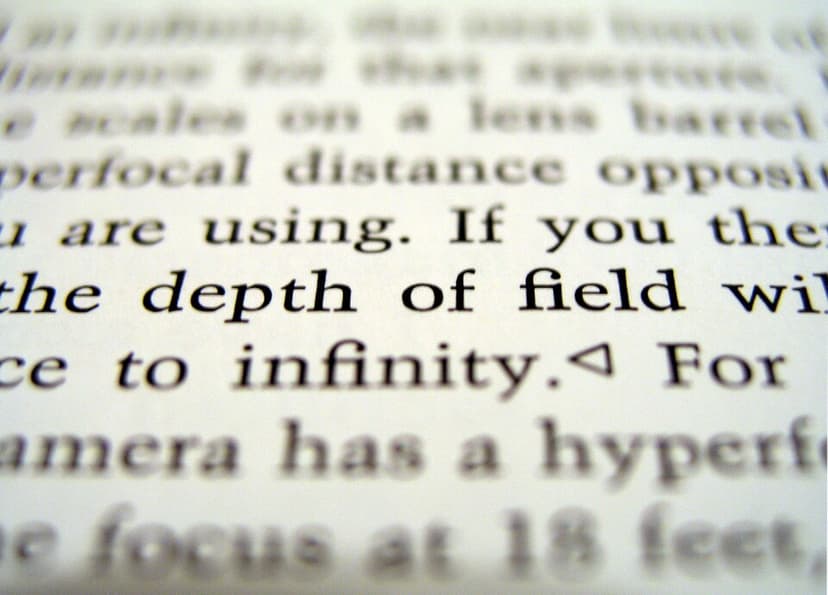
Depth of field

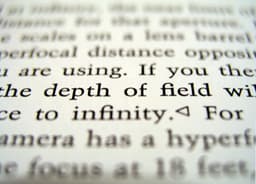
The depth of field (DOF) is the distance between the nearest and the farthest objects that are in acceptably sharp focus in an image captured with a camera. See also the closely related depth of focus.

Ancient Egypt

Ancient Egypt was a cradle of civilization concentrated along the lower reaches of the Nile River in the eastern corner of North Africa. It emerged from prehistoric Egypt around 3150 BC (according to conventional Egyptian chronology), when Upper and Lower Egypt were united by Menes, who is believed by the majority of Egyptologists to have been the same person as Narmer. The history of ancient Egypt unfolded as a series of stable kingdoms interspersed by the "Intermediate Periods" of relative instability. These stable kingdoms existed in one of three periods: the Old Kingdom of the Early Bronze Age; the Middle Kingdom of the Middle Bronze Age; or the New Kingdom of the Late Bronze Age.

Ancient EgyptCivilizations

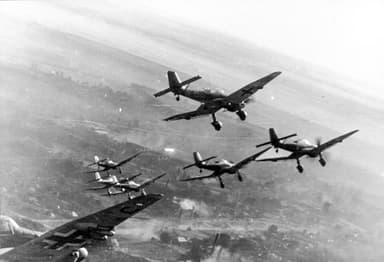
World War II

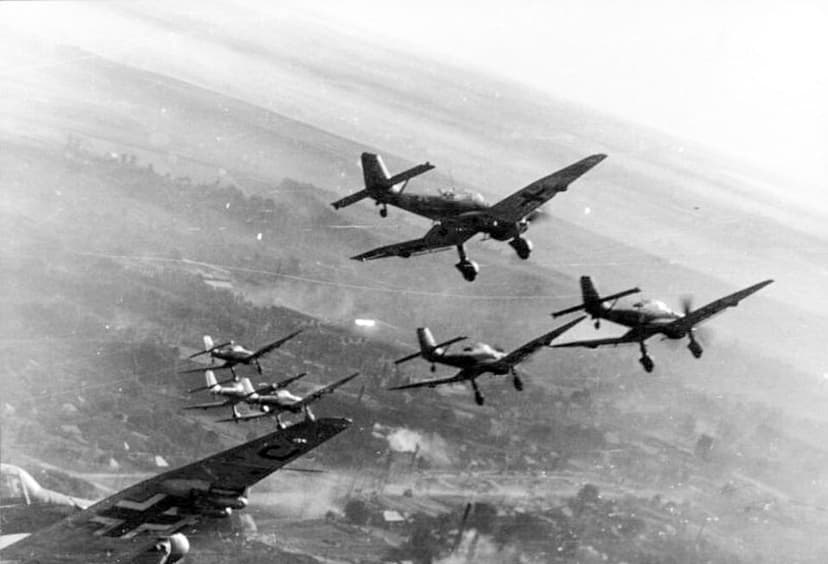
World War II, or the Second World War (1 September 1939 – 2 September 1945), was a global conflict between two coalitions: the Allies and the Axis powers. Nearly all of the world's countries participated. Tanks and aircraft played major roles, the latter enabling the strategic bombing of cities and delivery of the only nuclear weapons used in war. World War II was the deadliest conflict in history, causing the death of 60 to 75 million people. Millions died as a result of massacres, starvation, disease, and genocides, including the Holocaust. After the Allied victory, Germany, Austria, Japan, and Korea were occupied, and German and Japanese leaders were tried for war crimes.

World

Scientific Revolution

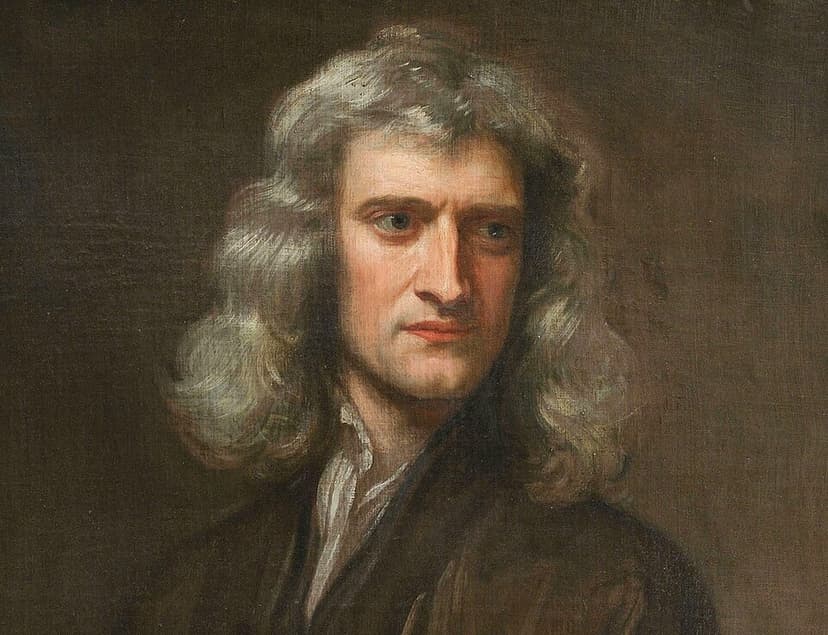
The Scientific Revolution of the 16th and 17th centuries in Europe was an irreversible break with the natural philosophy that had preceded it, fundamentally changing how the natural world was investigated and understood. The New Science that emerged departed from previous Greek conceptions and traditions, was more mechanistic in its worldview and more integrated with mathematics, and was focused on the acquisition and interpretation of new evidence.

History of scienceScienceWorld

Philosophy

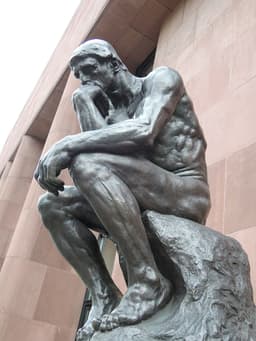
Philosophy (from Ancient Greek philosophía lit. 'love of wisdom') is a systematic study of general and fundamental questions concerning topics like existence, knowledge, mind, reason, language, and value. It is a rational and critical inquiry that reflects on its methods and assumptions.

Philosophy

Apollo program

The Apollo program, also known as Project Apollo, was the United States human spaceflight program led by NASA, which landed the first humans on the Moon in 1969. Apollo was conceived in 1960 in the Dwight D. Eisenhower presidency during Project Mercury and executed after Project Gemini. Apollo was later dedicated to President John F. Kennedy's national goal, "before this decade is out, of landing a man on the Moon and returning him safely to the Earth" in his address to the U.S. Congress on May 25, 1961.

SpaceflightUnited StatesSolar System

Surrealism

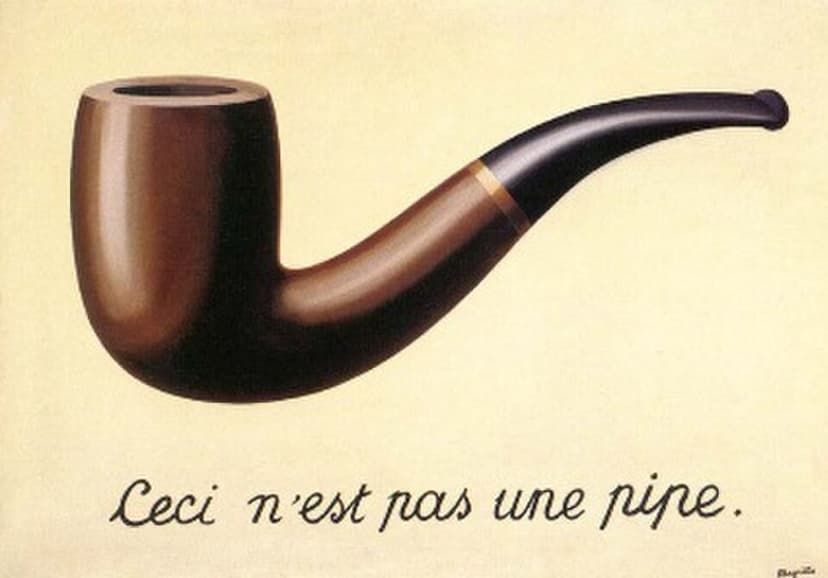
Surrealism is an art and cultural movement that developed in Europe in the aftermath of World War I in which artists aimed to allow the unconscious mind to express itself, often resulting in the depiction of illogical or dreamlike scenes and ideas. Its intention was, according to leader André Breton, to "resolve the previously contradictory conditions of dream and reality into an absolute reality, a super-reality", or surreality. It produced works of painting, writing, photography, theatre, filmmaking, music, comedy and other media as well.

Poetry

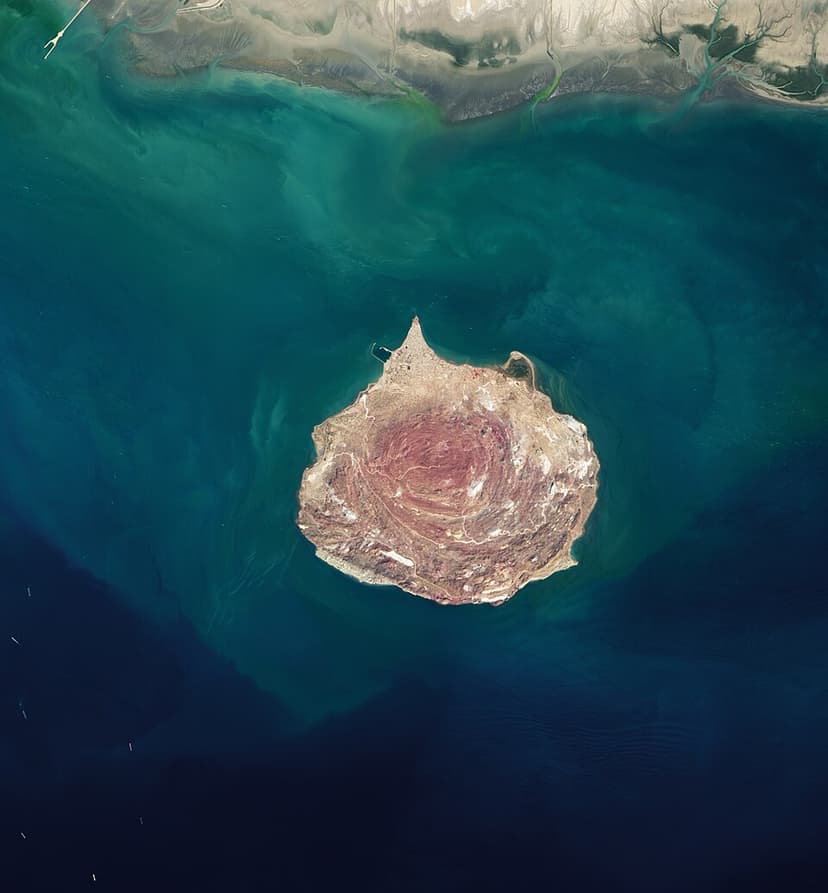
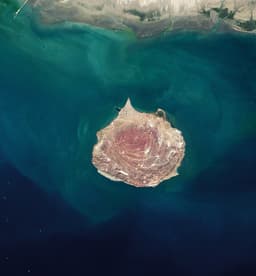
Hormuz Island

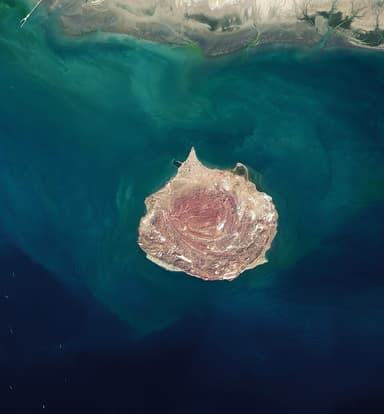
Hormuz Island (/hɔːrˈmuːz/; Persian: جزیره هرمز, romanized: Jazire-ye Hormoz), also spelled Hormoz, Ormoz, Ormuz or Ormus, is an Iranian island in the Persian Gulf.

Islands

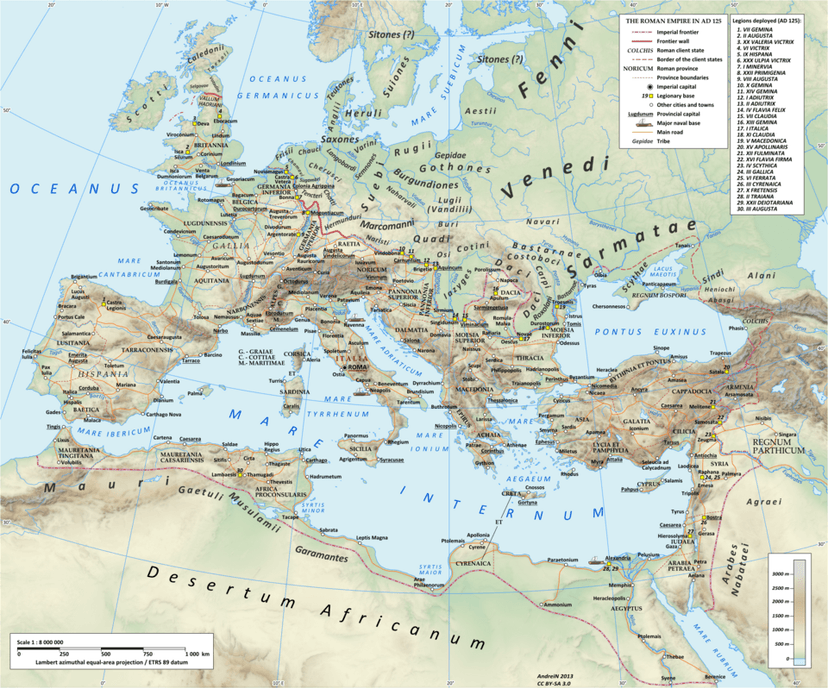
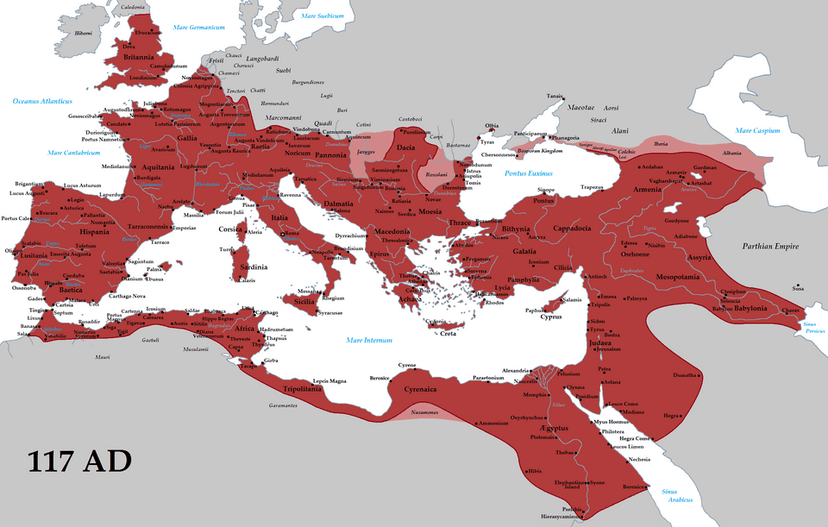
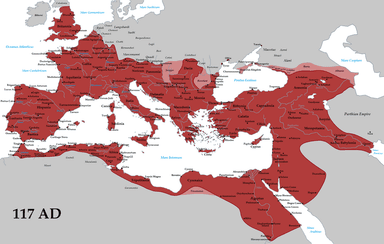
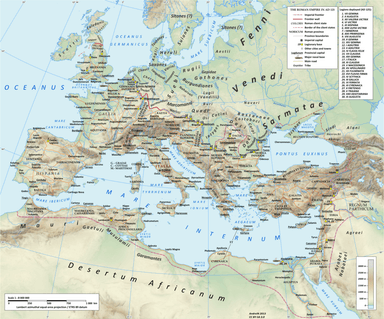
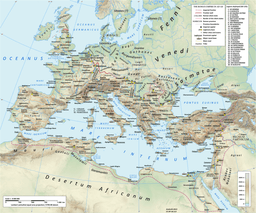
Roman Empire

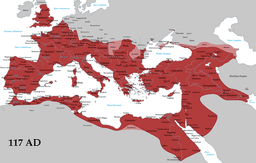
The Roman Empire was a state that dominated the Mediterranean and much of Europe, Western Asia, and North Africa during the classical period. The Roman Republic had previously conquered most of these territories, which later came under permanent single-person rule following Octavian's rise to power and the establishment of the Augustan Principate in 27 BC. By the late 3rd century AD, the empire had often been divided. The later Western Roman Empire collapsed in 476 AD, whereas the Eastern Roman Empire persisted until the fall of Constantinople in 1453.

ItalyAncient RomeHistory

Ontology

Ontology is the philosophical study of being. It is traditionally understood as the subdiscipline of metaphysics focused on the most general features of reality. As one of the most fundamental concepts, being encompasses all of reality and every entity within it. To articulate the basic structure of being, ontology examines the shared characteristics among all things and investigates their classification into basic types, such as the categories of particulars and universals. Particulars are unique, non-repeatable entities, such as the person Socrates, whereas universals are general, repeatable entities, like the color green. Another distinction exists between concrete objects existing in space and time, such as a tree, and abstract objects existing outside space and time, like the number 7

Philosophy

Ottoman Empire

The Ottoman Empire, historically also known as the Turkish Empire, was a state that spanned much of Southeast Europe, West Asia, and North Africa from the 14th century to the early 20th century, centred in modern-day Turkey. It also controlled parts of southeastern Central Europe between the early 16th and early 18th centuries.

Turkey

Tech noir

Tech noir is a hybrid genre of fiction, particularly film, combining film noir and science fiction, epitomized by Ridley Scott's Blade Runner (1982) and James Cameron's The Terminator (1984). The tech-noir presents "technology as a destructive and dystopian force that threatens every aspect of our reality". It can be characterized by dark, urban settings, while depicting technology ranging from retrofuturism to classic futurism. Tech noir combines the high-tech worlds of sci-fi with the dark, gritty, and bleak atmosphere of film noir.

Speculative fiction/Science fictionSpeculative fiction/Horror

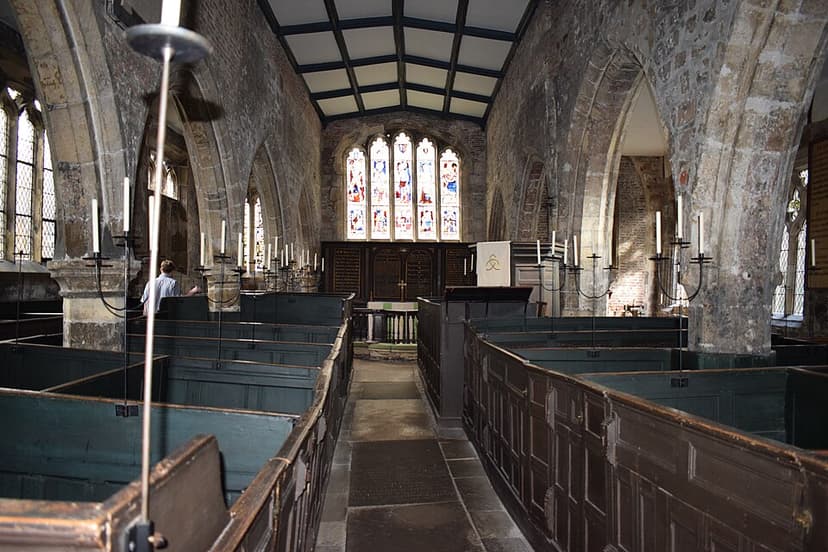
Ann Walker

Ann Walker (20 May 1803 – 25 February 1854) was an Englishwoman, married in Britain's first known lesbian wedding, to diarist and fellow Yorkshire landowner Anne Lister. Their union was solemnised by taking the sacrament together on Easter Sunday in 1834 at Holy Trinity Church, Goodramgate, York, which bears a commemorative plaque acknowledging the event. Walker inherited half of her family's estate, Crow Nest, located in Lightcliffe, West Yorkshire, near Shibden Hall, Lister's family estate, in Calderdale. Both women inherited their respective estates during the early 19th century, when primogeniture, the custom of granting lands and property to the oldest surviving son, dominated European law and society. They were travelling abroad together when Lister fell ill and died. Research into t

BiographyLGBTQ

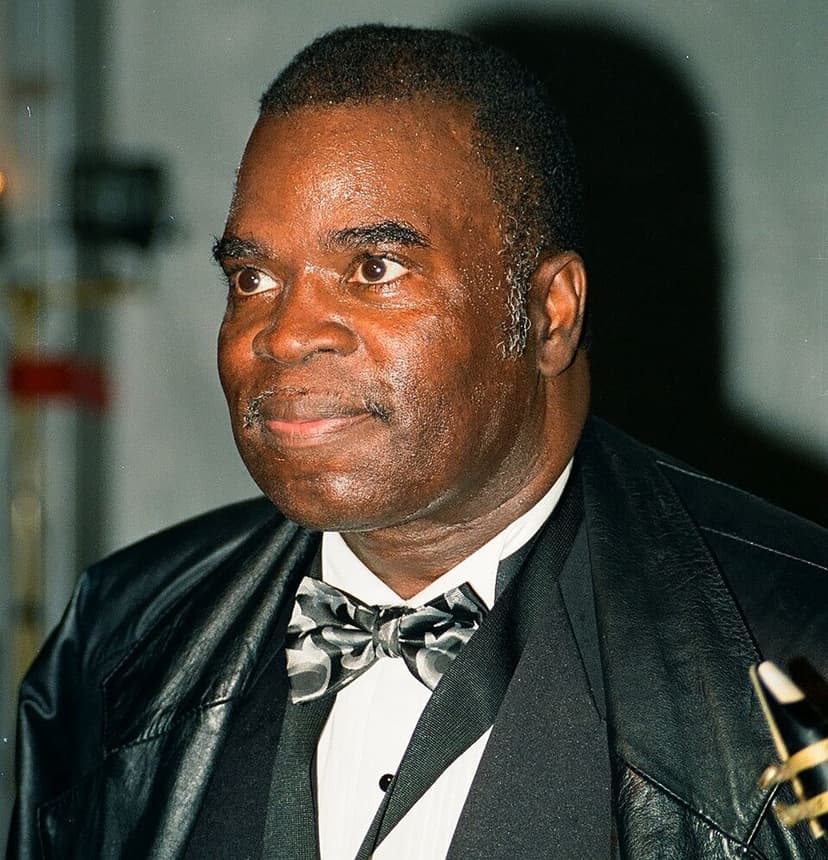
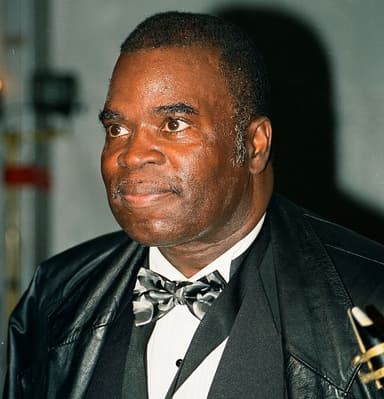
Maceo Parker

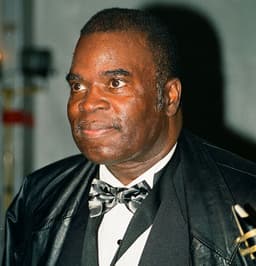
Maceo Parker (/ˈmeɪsioʊ/; born February 14, 1943) is an American funk and soul jazz saxophonist, best known for his work with James Brown in the 1960s, Parliament-Funkadelic in the 1970s and Prince in the 2000s. Parker was a prominent soloist on many of Brown's hit recordings, and a key part of his band, playing alto, tenor and baritone saxophones. Since the early 1990s, he has toured under his own name.

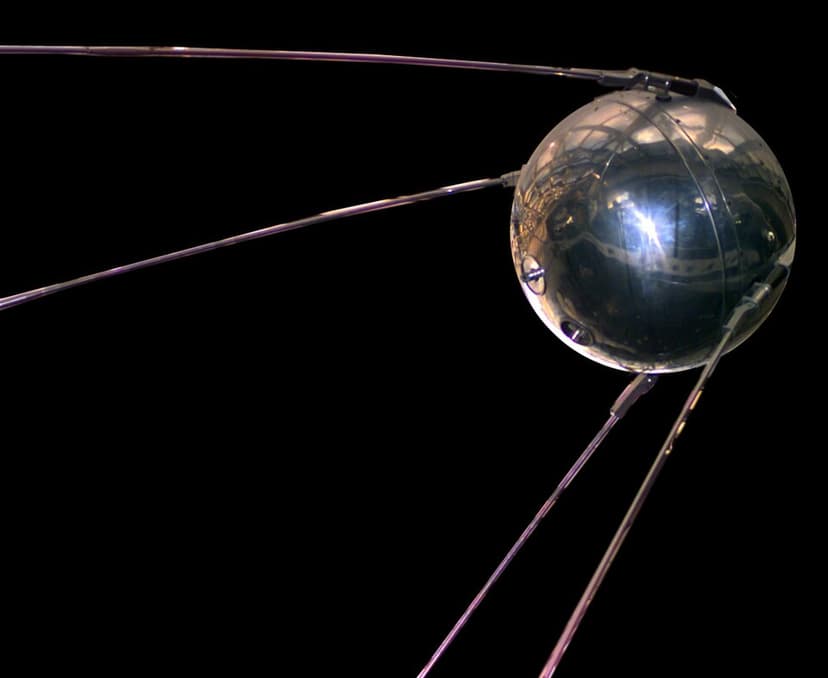
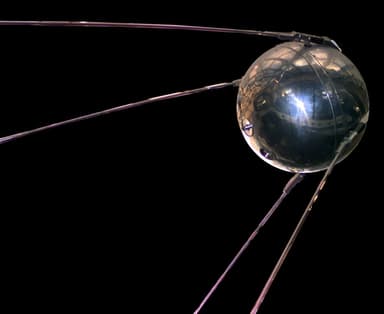
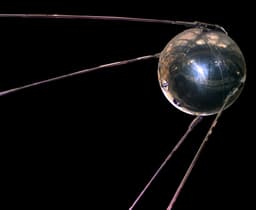
Space Race

The Space Race (Russian: космическая гонка, romanized: kosmicheskaya gonka, IPA: [kɐsˈmʲitɕɪskəjə ˈɡonkə]) was a 20th-century competition between the Cold War rivals, the United States and the Soviet Union, to achieve superior spaceflight capability. It had its origins in the ballistic missile-based nuclear arms race between the two nations following World War II and the onset of the Cold War. The technological advantage demonstrated by spaceflight achievement was seen as necessary for national security, particularly in regard to intercontinental ballistic missile and satellite reconnaissance capability, but also became part of the cultural symbolism and ideology of the time. The Space Race brought pioneering launches of artificial satellites, robotic landers to the Moon, Venus, and Mars,

SpaceflightSpace1950s

Renaissance

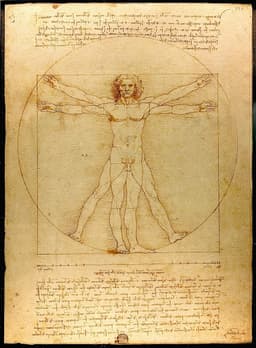
The Renaissance (UK: /rɪˈneɪsəns/ rin-AY-sənss, US: /ˈrɛnəsɑːns/ REN-ə-sahnss) was a European period of history and cultural movement taking place at the end of the Late Middle Ages and the beginning of the early modern era. It is variously defined as lasting from the 14th century to the 17th or, more narrowly, as covering only the 15th and 16th centuries. It was characterized by the European rediscovery and revival of the literary, philosophical, and artistic achievements of classical antiquity. Associated with great change in art, architecture, politics, literature, exploration and technology, the Renaissance was first centered in the Republic of Florence, then spread to the rest of Italy and later throughout Europe.

SocietyArts

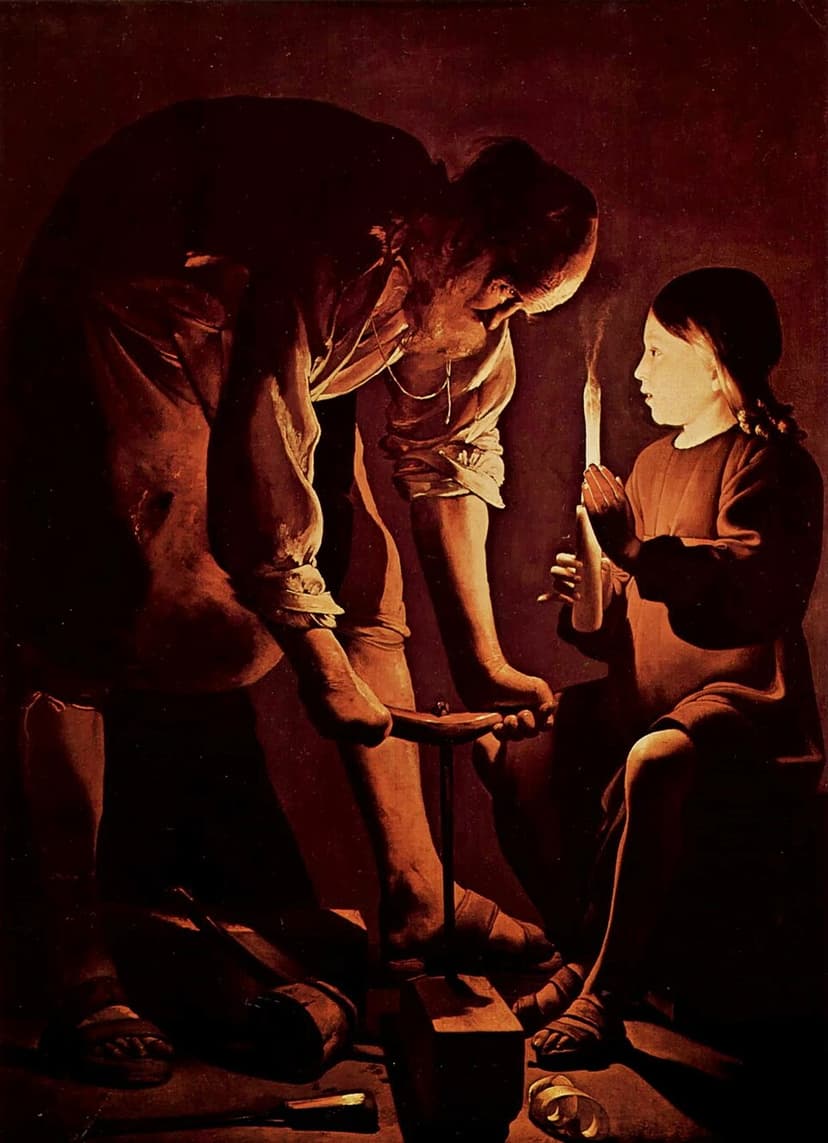
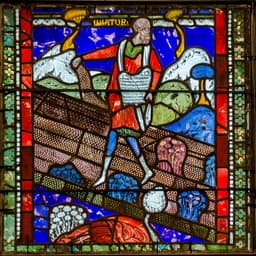
Tektōn

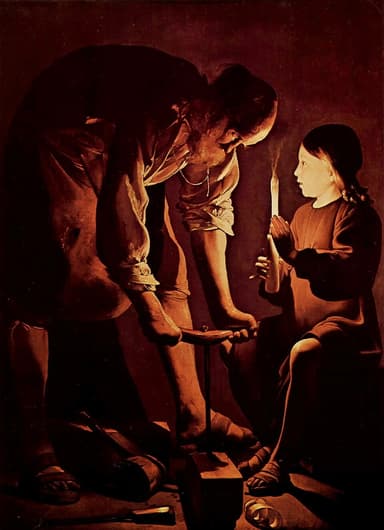
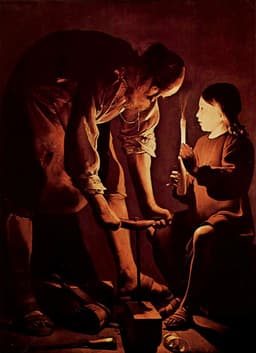
The Ancient Greek noun tektōn (τέκτων) is a common term for an artisan or craftsman, in particular a carpenter, woodworker, or builder. The term is frequently contrasted with an ironworker, or smith (χαλκεύς) and stone-worker or mason (λιθολόγος, λαξευτής).

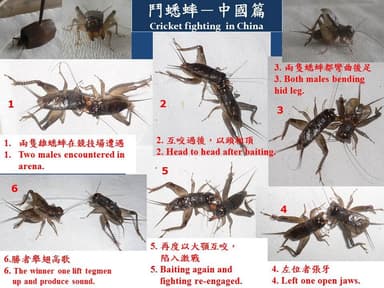
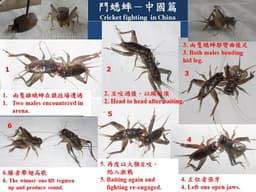
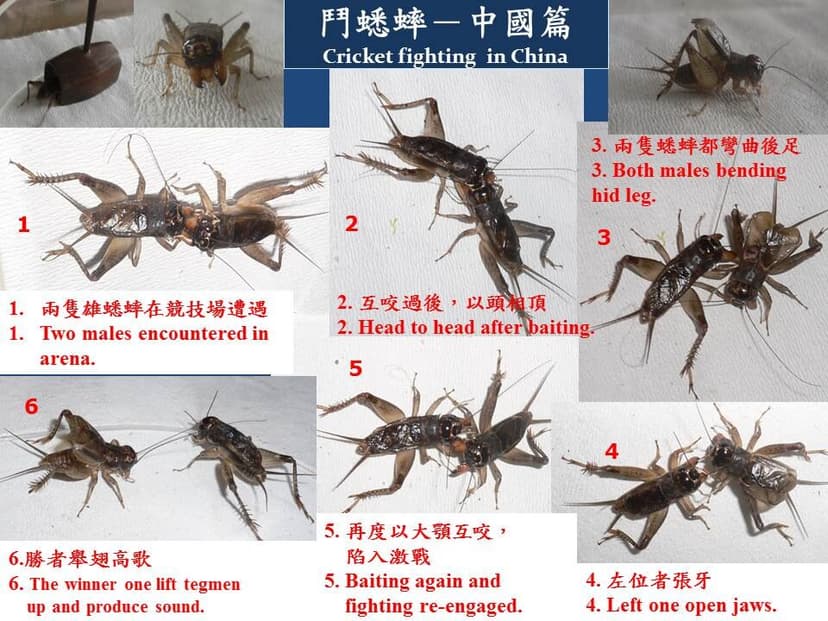
Cricket fighting

Cricket fighting is a hobby and gambling activity involving the fighting of male crickets. Unlike blood sports such as bullfighting and cockfighting, cricket fighting rarely causes injuries to the animals. It is a popular pastime in China and dates back more than 1,000 years to the Tang dynasty. However, the sport has been losing its popularity in China.

Insects

Plate tectonics

Plate tectonics (from Latin tectonicus, from Ancient Greek τεκτονικός (tektonikós) 'pertaining to building') is the scientific theory that Earth's lithosphere comprises a number of large tectonic plates, which have been slowly moving since 3–4 billion years ago. The model builds on the concept of continental drift, an idea developed during the first decades of the 20th century. Plate tectonics came to be accepted by geoscientists after seafloor spreading was validated in the mid- to late 1960s. The processes that result in plates and shape Earth's crust are called tectonics.

Geology

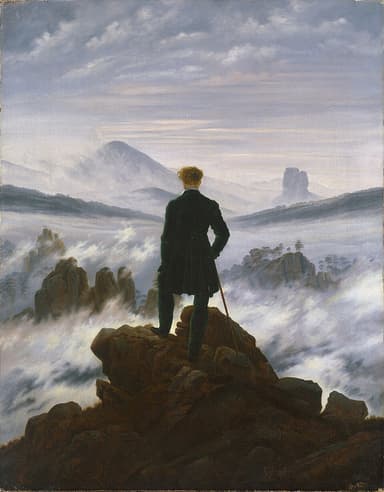
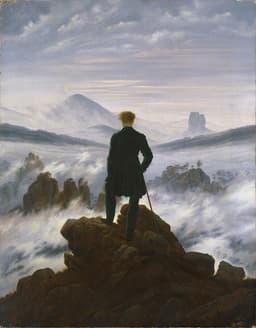
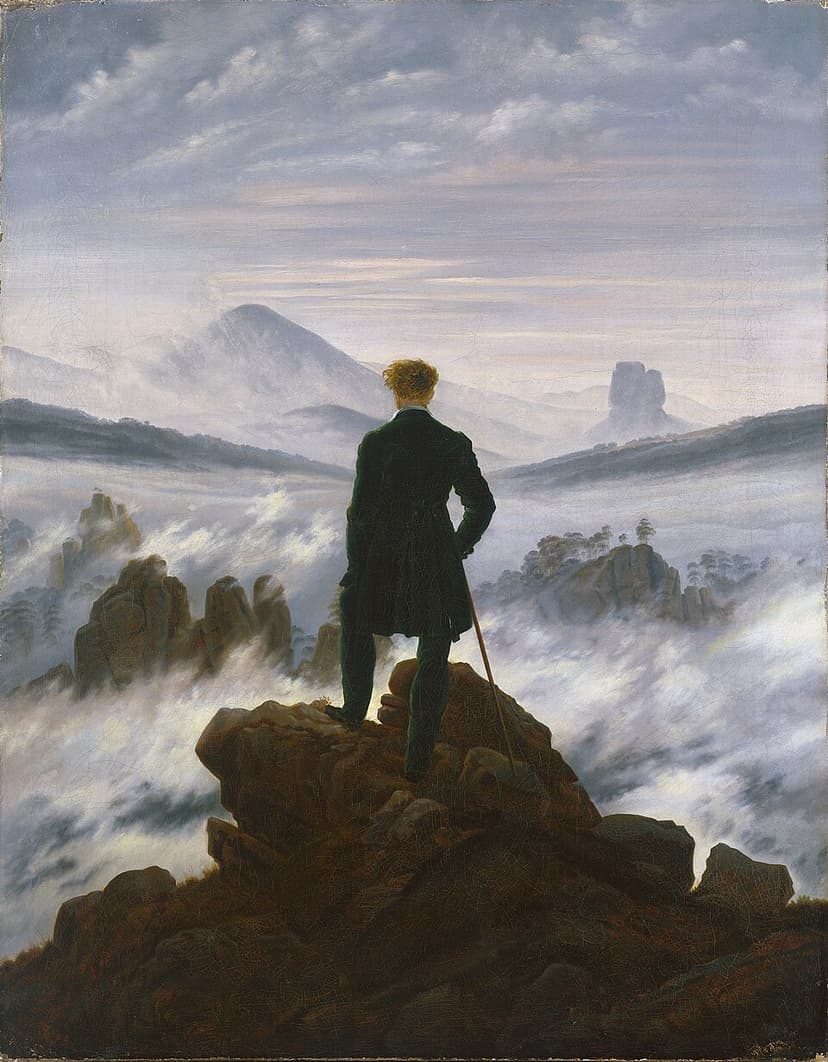
Romanticism

Romanticism (also known as the Romantic movement or Romantic era) was an artistic and intellectual movement that originated in Europe towards the end of the 18th century. The purpose of the movement was to advocate for the importance of subjectivity, imagination, and appreciation of nature in society and culture in response to the Age of Enlightenment and the Industrial Revolution.

Philosophy

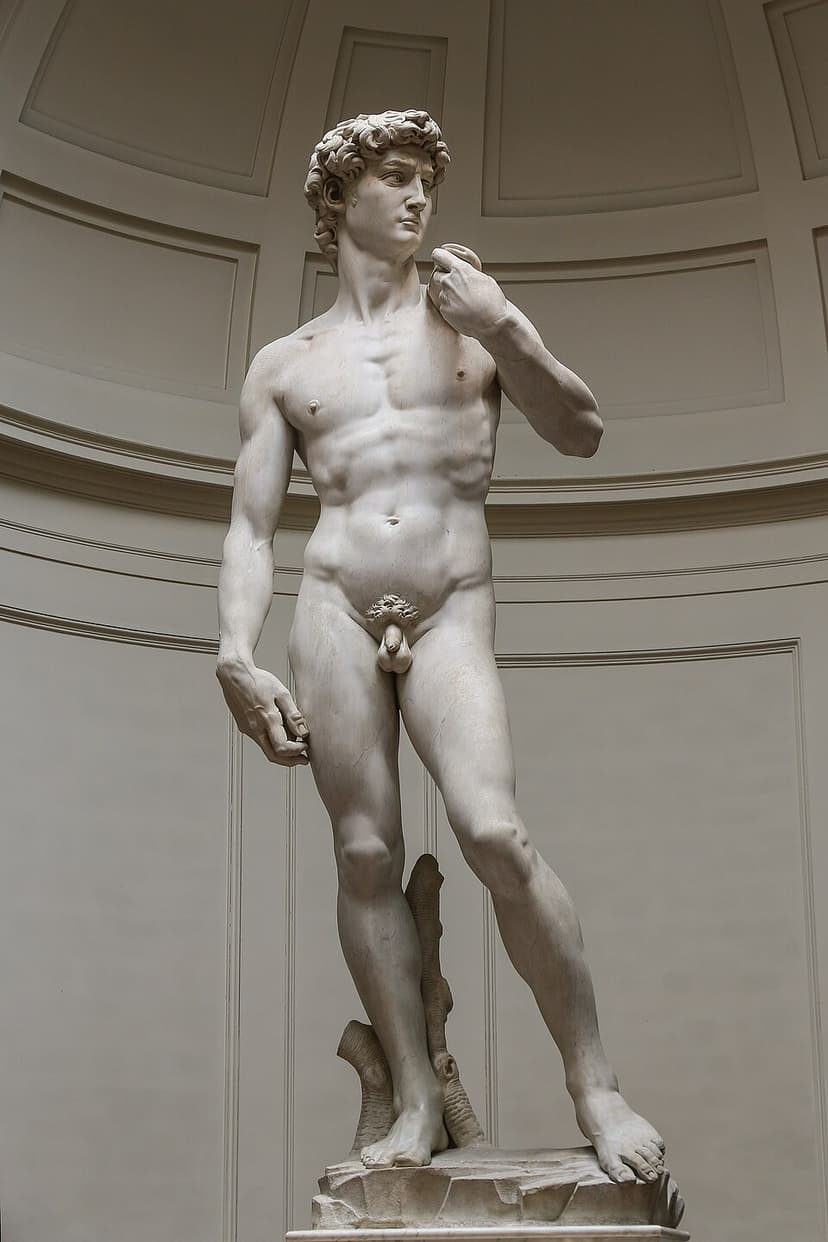
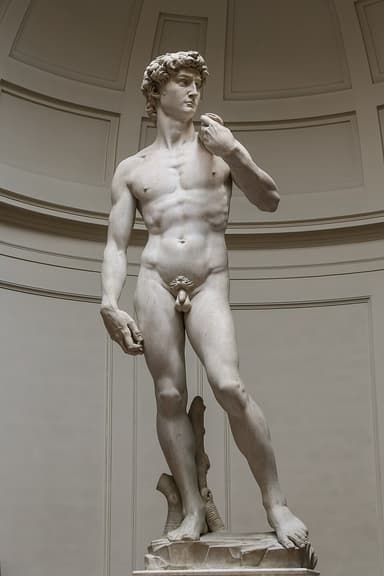
David (Michelangelo)

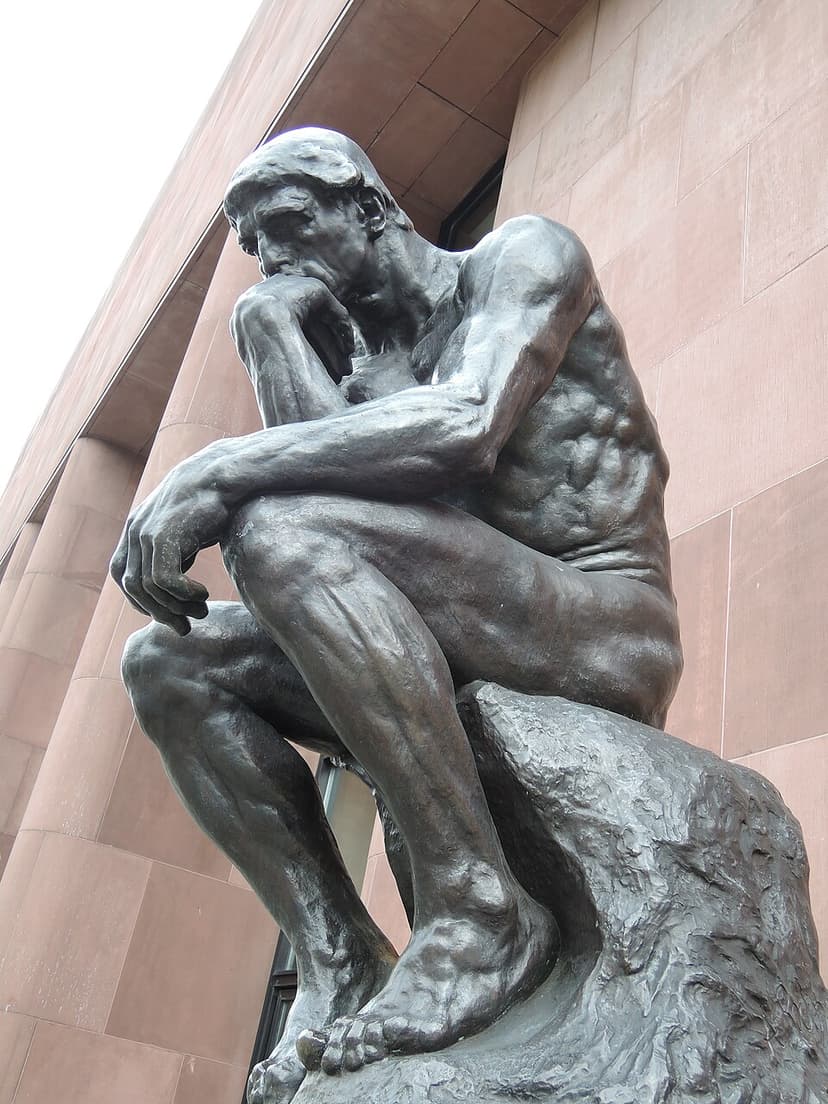
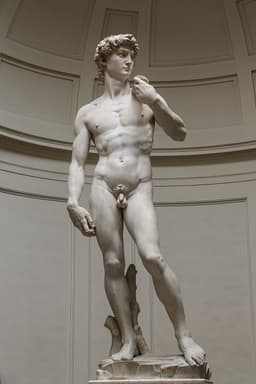
David is a masterpiece of Italian Renaissance sculpture in marble created from 1501 to 1504 by Michelangelo. With a height of 5.17 metres (17 ft 0 in), the David was not only the first colossal marble statue made in the High Renaissance, but also the first since classical antiquity, setting a precedent for the 16th century and beyond. David was originally commissioned as one of a series of statues of twelve prophets to be positioned along the roofline of the east end of Florence Cathedral, but was instead placed in the public square in front of the Piazza della Signoria, the seat of civic government in Florence, where it was unveiled on 8 September 1504. In 1873, the statue was moved to the Galleria dell'Accademia, Florence. In 1910 a replica was installed at the original site on the publi

History of computing

The history of computing extends beyond the history of computing hardware and modern computing technology including earlier methods that relied on pen and paper or chalk and slate, with or without the aid of tables.

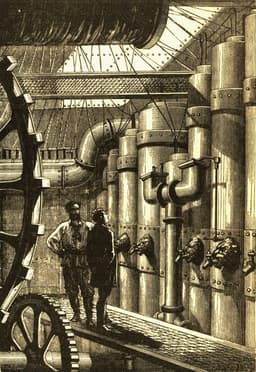
Steampunk

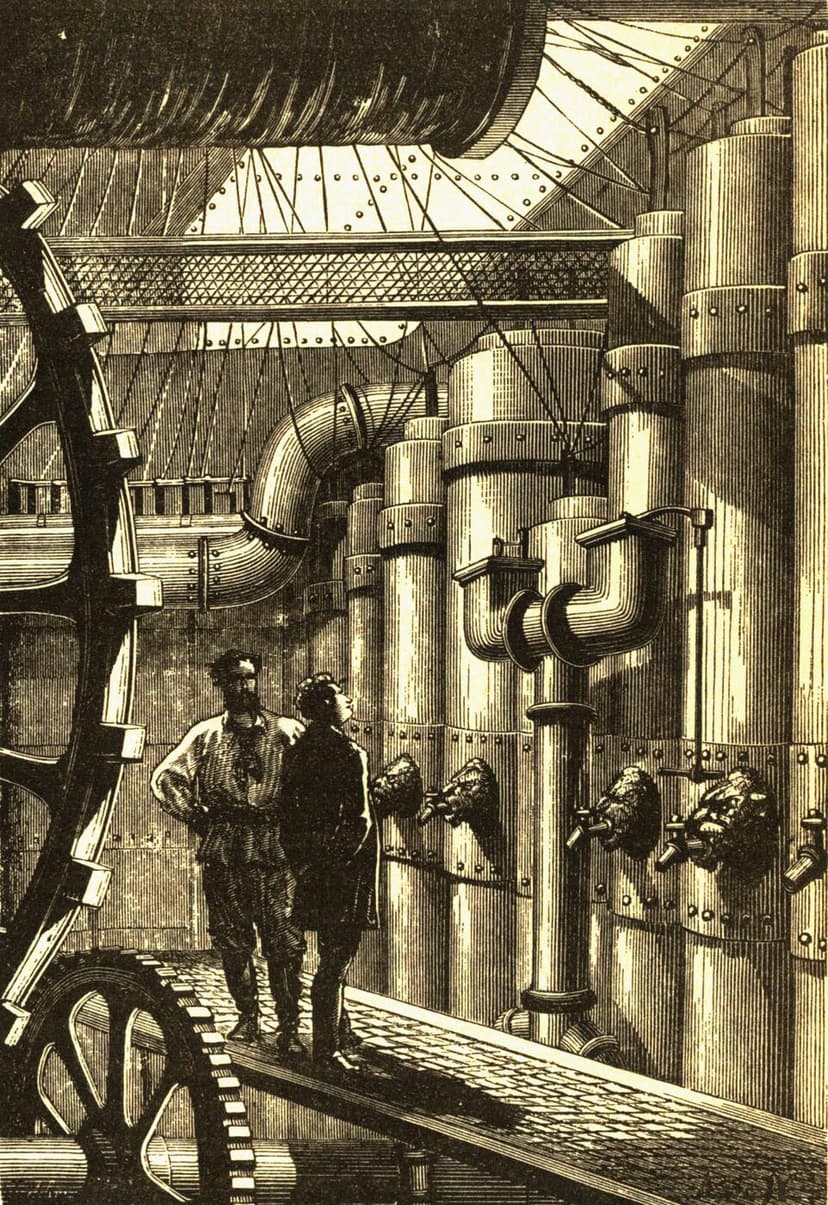
Steampunk is a subgenre of science fiction that incorporates retro-futuristic technology and aesthetics prominently inspired by 19th-century industrial steam-powered machinery and design. Steampunk works are often set in an alternative history of the Victorian era or the American frontier where steam power remains in mainstream use, or in a fantasy world that similarly employs steam power.

Speculative fictionSpeculative fiction/Science fiction

Cold War

The Cold War was a period of international geopolitical rivalry between the United States (US) and the Soviet Union (USSR) and their respective allies, the capitalist Western Bloc and communist Eastern Bloc. It began in the aftermath of the Second World War and ended with the dissolution of the Soviet Union in 1991. The term cold war is used because there was no direct fighting between the two superpowers, though each supported opposing sides in regional conflicts known as proxy wars. In addition to the struggle for ideological and economic influence and an arms race in both conventional and nuclear weapons, the Cold War was expressed through technological rivalries such as the Space Race, espionage, propaganda campaigns, embargoes, and sports diplomacy.

United StatesSoviet UnionModern history

Snowshoe hare

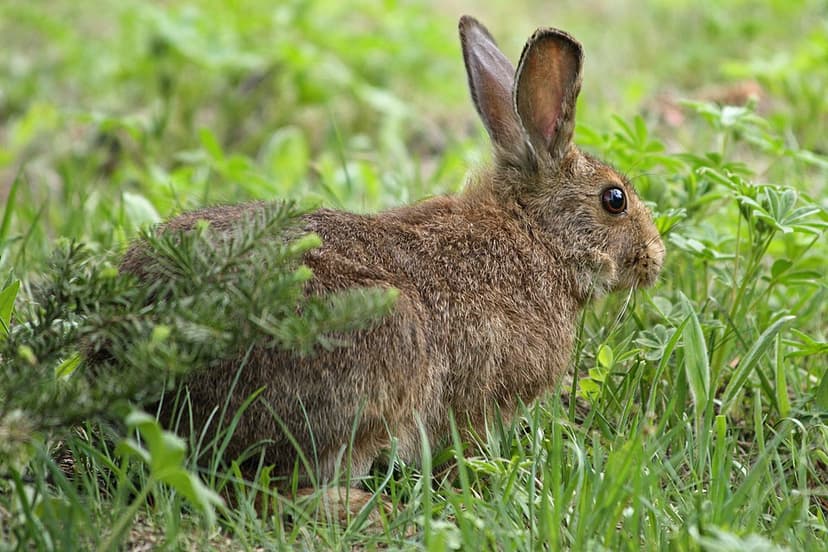
The snowshoe hare (Lepus americanus), also called the varying hare or snowshoe rabbit, is a species of hare found in North America. It has the name "snowshoe" because of the large size of its hind feet. The animal's feet prevent it from sinking into the snow when it hops and walks. Its feet also have fur on the soles to protect it from freezing temperatures.

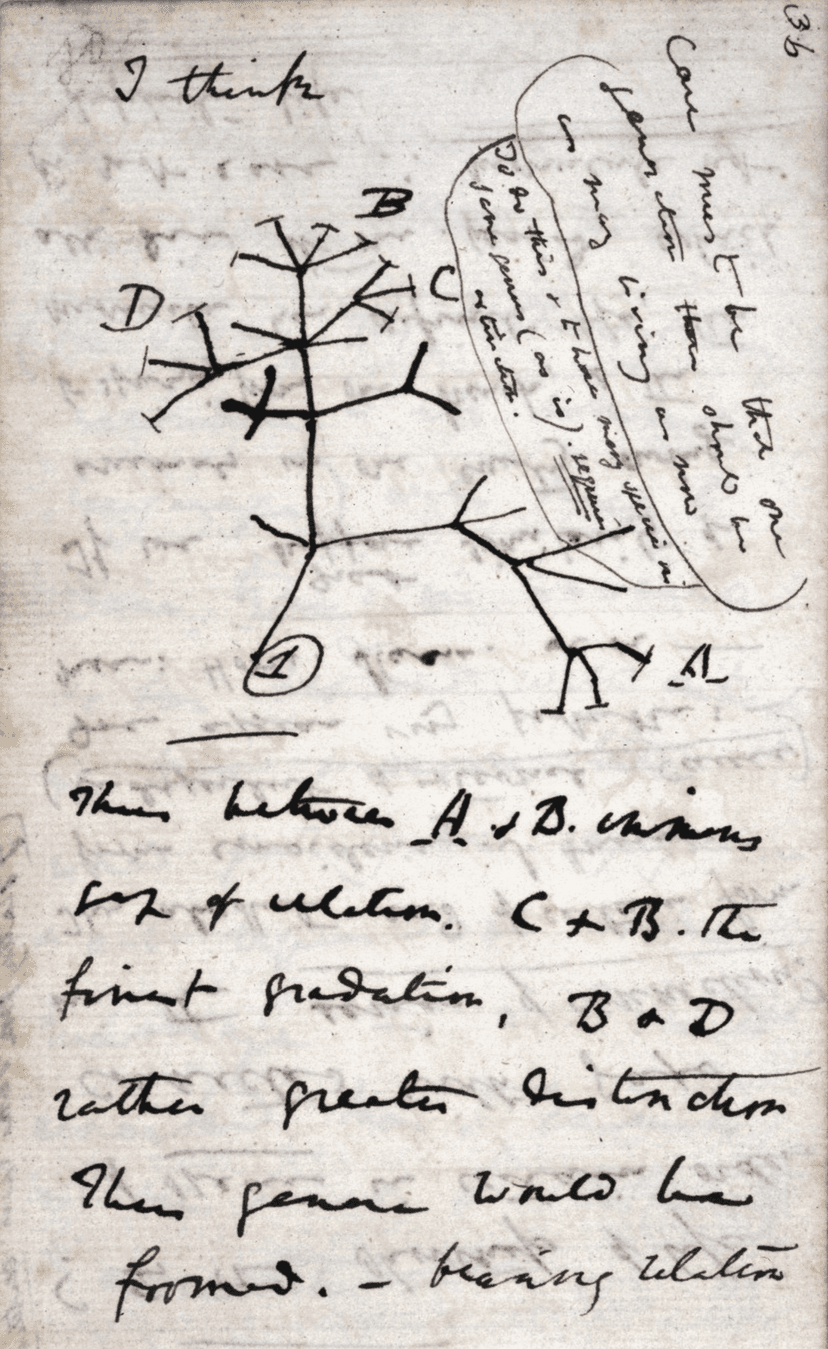
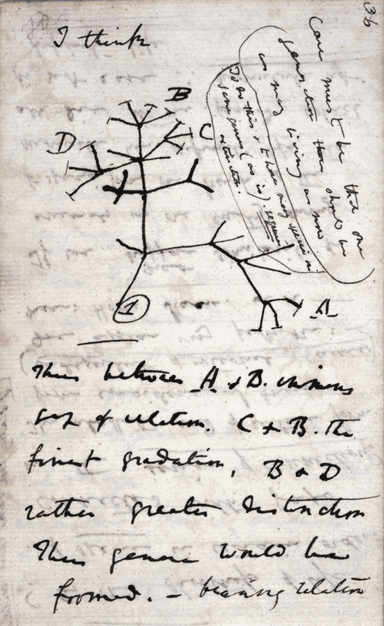
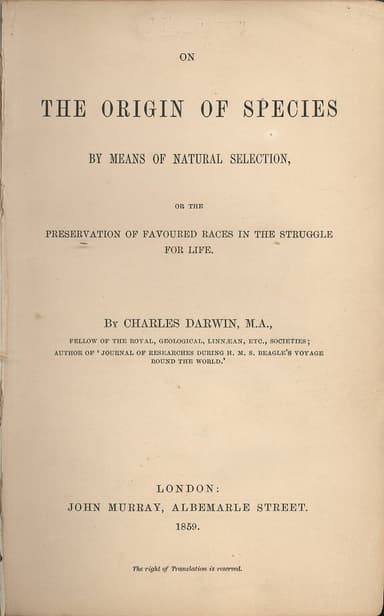
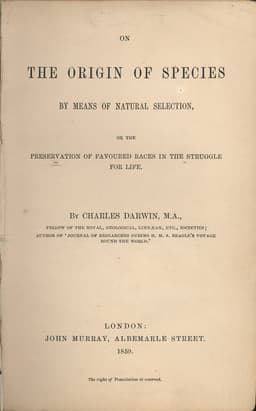
On the Origin of Species

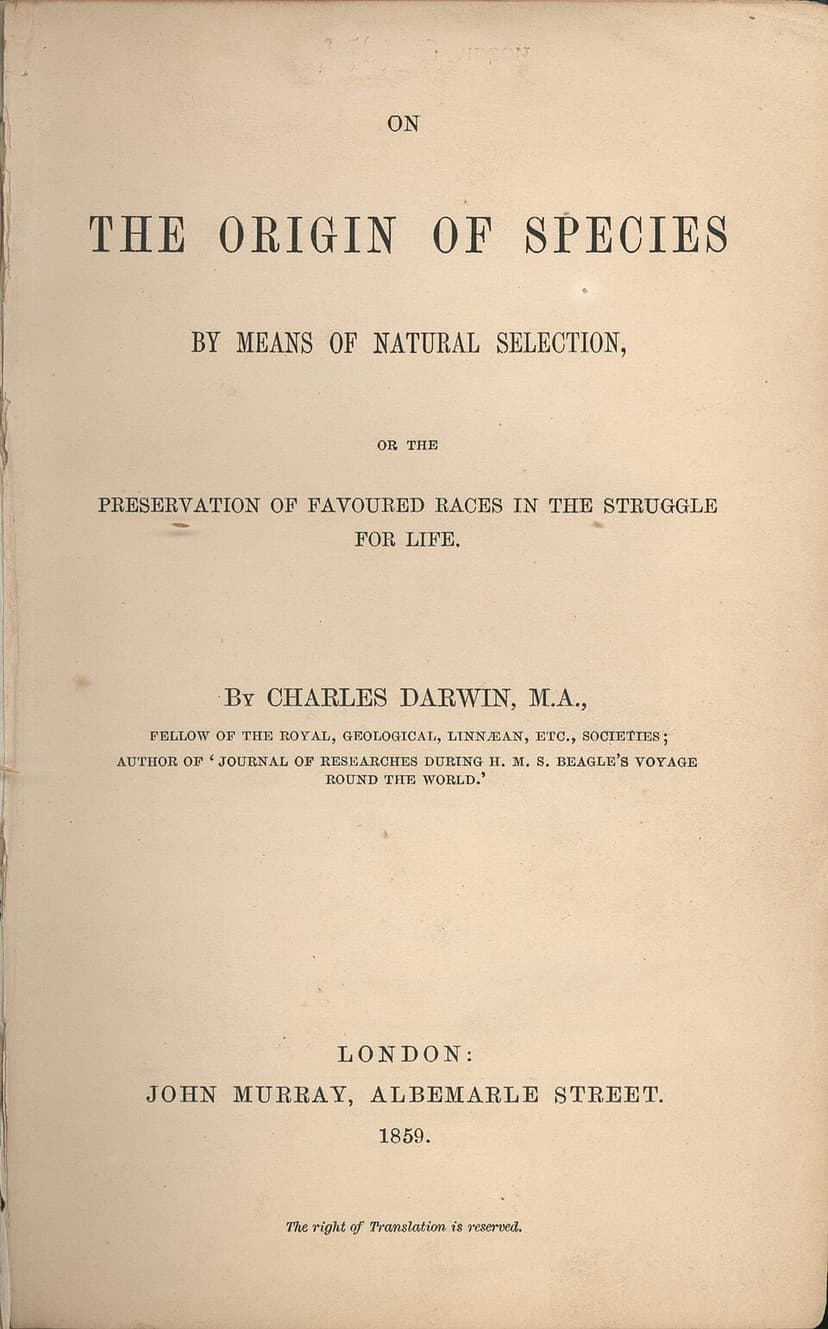
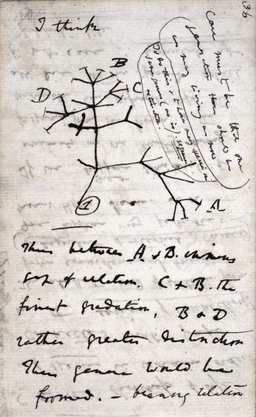
On the Origin of Species by Means of Natural Selection, or the Preservation of Favoured Races in the Struggle for Life is a work of scientific literature by the English naturalist Charles Darwin that is considered to be the foundation of evolutionary biology. It was published on 24 November 1859. Darwin's book introduced the scientific theory that populations evolve over the course of generations through a process of natural selection, although Lamarckism was also included as a mechanism of lesser importance. The book presented a body of evidence that the diversity of life arose by common descent through a branching pattern of evolution. Darwin included evidence that he had collected on the Beagle expedition in the 1830s and his subsequent findings from research, correspondence, and experi

Evolutionary biology

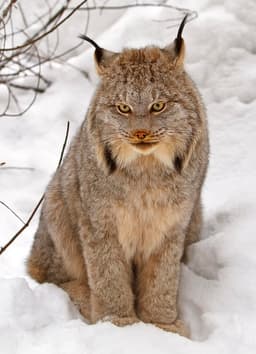
Canada lynx

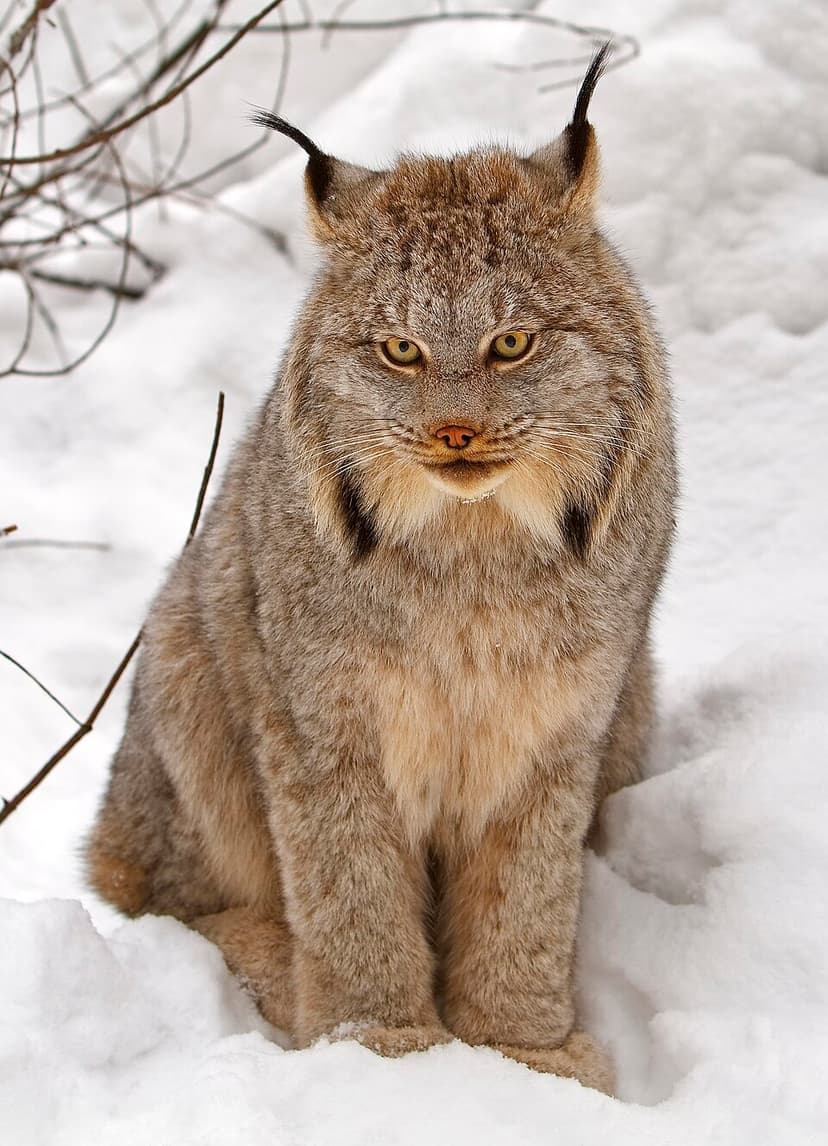
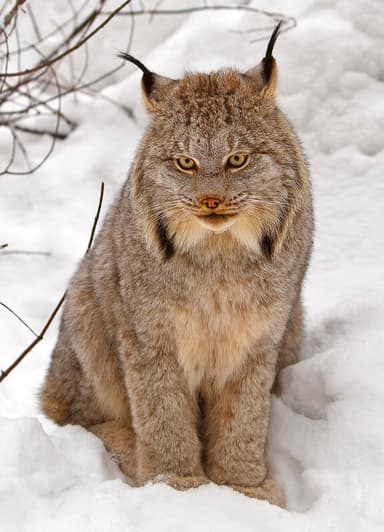
The Canada lynx (Lynx canadensis) or Canadian lynx is one of the four living species in the genus Lynx. It is a medium-sized wild cat characterized by long, dense fur, triangular ears with black tufts at the tips, and broad, snowshoe-like paws. Its hindlimbs are longer than the forelimbs, so its back slopes downward to the front. The Canada lynx stands 48–56 cm (19–22 in) tall at the shoulder and weighs between 5 and 17 kg (11 and 37 lb). It is a good swimmer and an agile climber.

Byzantine Empire

The Byzantine Empire, also known as the Eastern Roman Empire, was the continuation of the Roman Empire centred on Constantinople during late antiquity and the Middle Ages. Having survived the events that caused the fall of the Western Roman Empire in the 5th century AD, it endured until the fall of Constantinople to the Ottoman Empire in 1453. The term 'Byzantine Empire' was coined only after its demise; its citizens used the term 'Roman Empire' and called themselves 'Romans'.

Byzantine EmpireAncient RomeChristianity

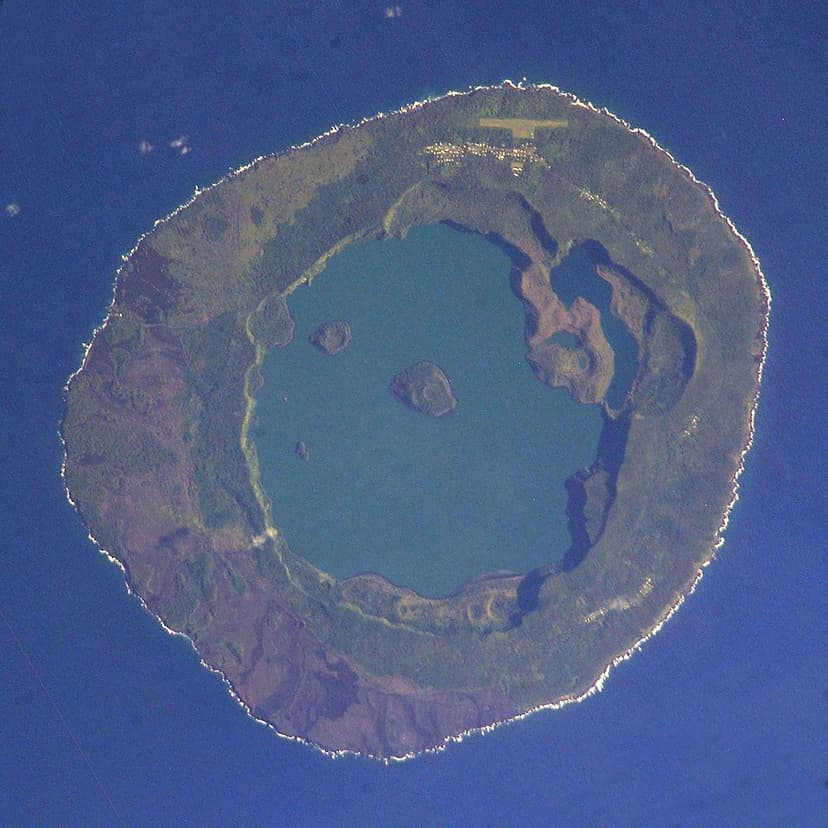
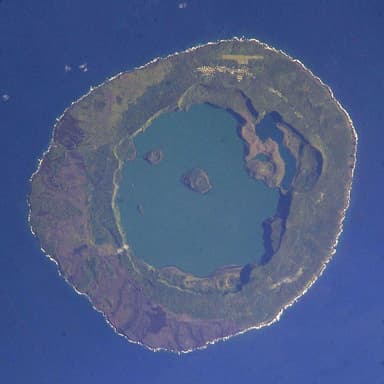
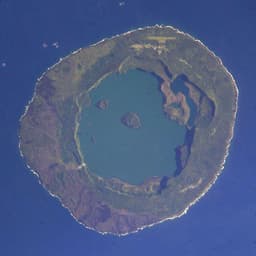
Niuafoʻou

Niuafoʻou (meaning 'many new coconuts') is the northernmost island in the kingdom of Tonga. One of the Niua Islands, it is located in the southern Pacific Ocean between Fiji and Samoa, 574 km (357 mi) north of Tongatapu island group and 337 km (209 mi) northwest of Vavaʻu. It is a volcanic rim island with an area of 15 km2 (5.8 sq mi) and a population of 431 (as of 2021). The volcano is active and has erupted regularly since 1814, with its last major eruption in 1985.

Aztec Empire

The Aztec Empire, also known as the Triple Alliance (Classical Nahuatl: Ēxcān Tlahtōlōyān, [ˈjéːʃkaːn̥ t͡ɬaʔtoːˈlóːjaːn̥]) or historiographically as the Tenochca Empire but most accurately known as the Mexica, was an alliance of three Nahua city-states: Mexico-Tenochtitlan, Tetzcoco, and Tlacopan. These three city-states ruled that area in and around the Valley of Mexico from 1428 until the combined forces of the Spanish conquistadores and their native allies who ruled under Hernán Cortés defeated them in 1521. Its people and civil society are historiographically referred to as the Aztecs or the Culhua-Mexica.

Indigenous peoples of the AmericasMesoamericaCivilizations

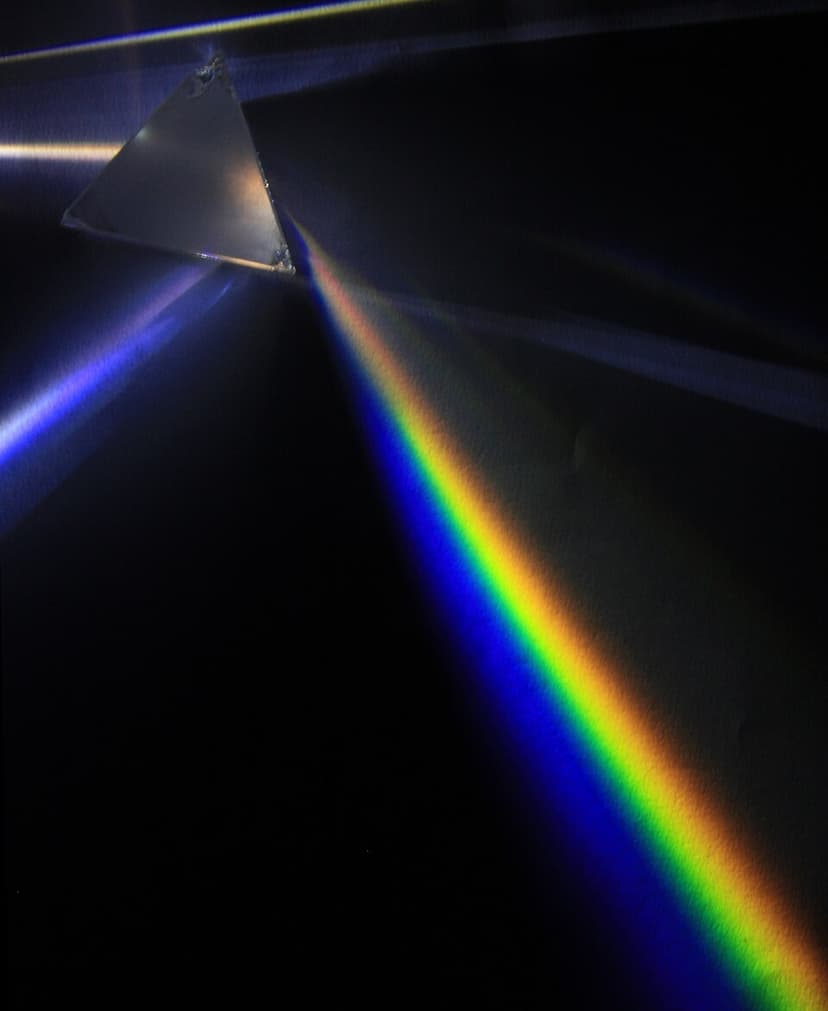
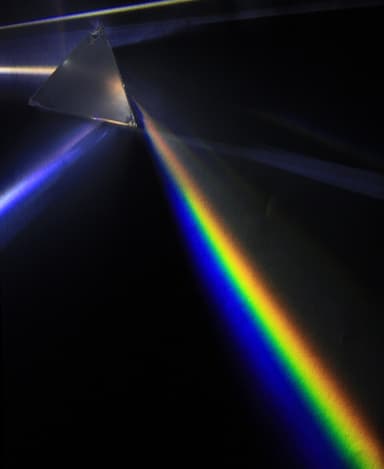
Visible spectrum

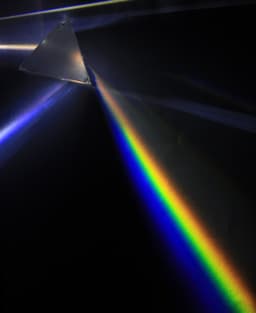
The visible spectrum is the band of the electromagnetic spectrum that is visible to the human eye. Electromagnetic radiation in this range of wavelengths is called visible light (or simply light). The optical spectrum is sometimes considered to be the same as the visible spectrum, but some authors define the term more broadly, to include the ultraviolet and infrared parts of the electromagnetic spectrum as well, known collectively as optical radiation.

Silk Road

The Silk Road was a network of Asian trade routes active from the second century BCE until the mid-15th century. Spanning over 6,400 km (4,000 mi) on land, it played a central role in facilitating economic, cultural, political, and religious interactions between the Eastern and Western worlds. The name "Silk Road" was coined in the late 19th century, but some 20th- and 21st-century historians instead prefer the term Silk Routes, on the grounds that it more accurately describes the intricate web of land and sea routes connecting Central, East, South, Southeast, and West Asia as well as East Africa and Southern Europe. In fact, some scholars criticise or even dismiss the idea of silk roads and call for a new definition or alternate term. According to them, the literature using this term has

Neural network (machine learning)

In machine learning, a neural network (NN) or neural net, is a computational model inspired by the structure and functions of biological neural networks.

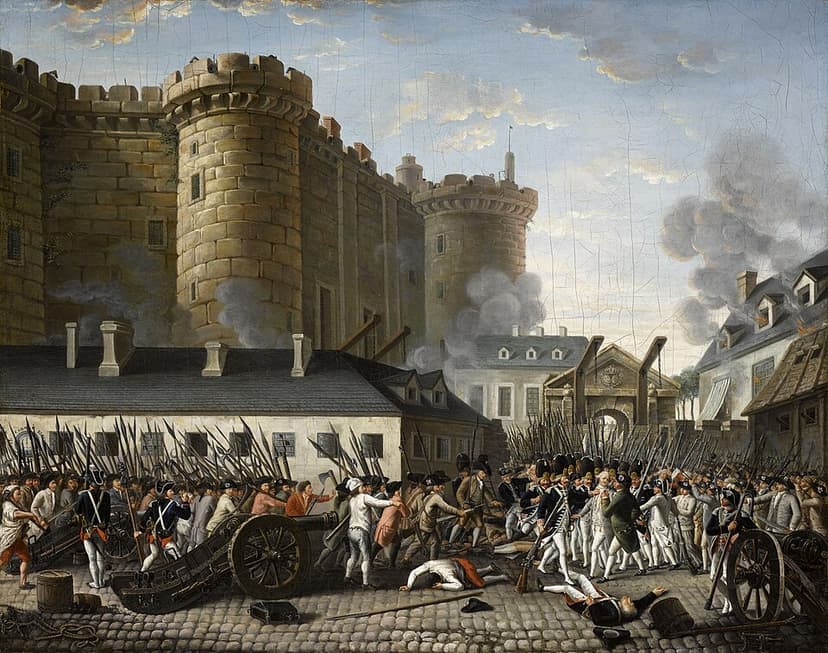
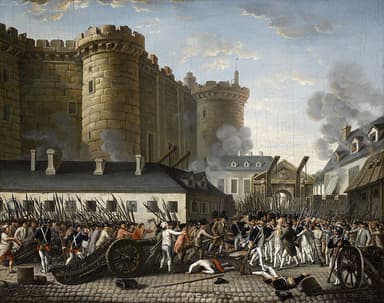
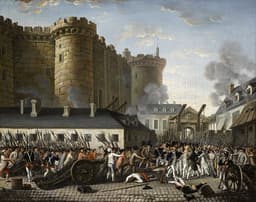
French Revolution

The French Revolution was a period of political and societal change in France that began with the Estates General of 1789 and ended with the Coup of 18 Brumaire on 9 November 1799. Many of the revolution's ideas are considered fundamental principles of liberal democracy, and its values remain central to modern French political discourse. It was caused by a combination of social, political, and economic factors which the existing regime proved unable to manage.

FranceHistoryPolitics

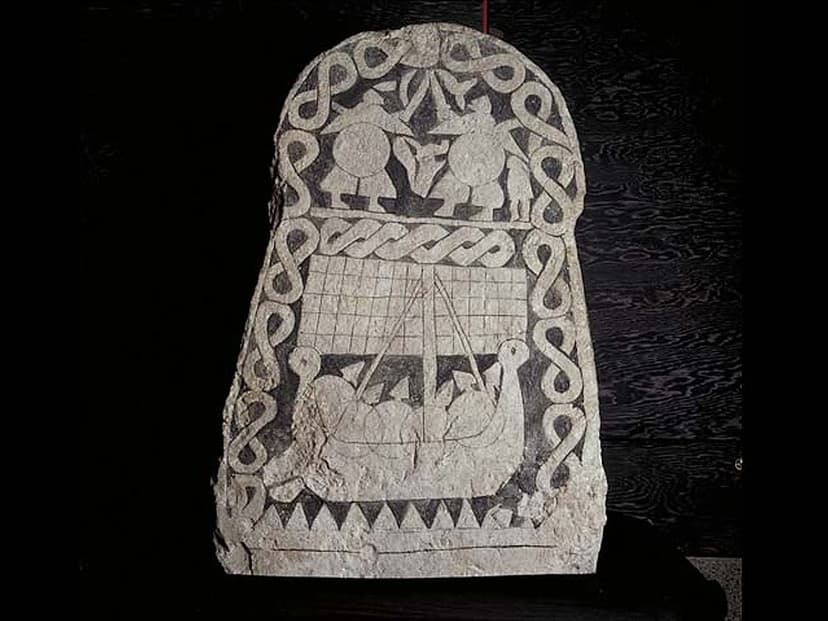
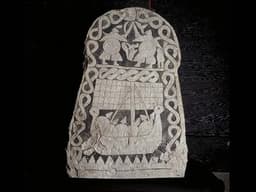
Viking Age

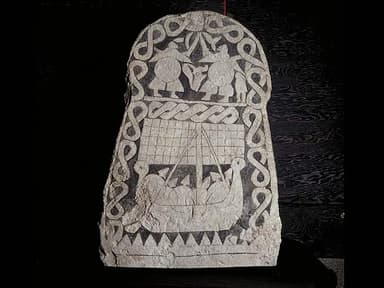
The Viking Age (about 800–1050 CE) was the period during the Middle Ages when Norsemen known as Vikings undertook large-scale raiding, colonising, conquest, and trading throughout Europe and reached North America. The Viking Age applies not only to their homeland of Scandinavia but also to any place significantly settled by Scandinavians during the period. Although few of the Scandinavians of the Viking Age were Vikings in the sense of being engaged in piracy, they are often referred to as Vikings as well as Norsemen.

DenmarkFaroe IslandsFinland

Streisand effect

The Streisand effect is the phenomenon in which an attempt to hide, remove, or censor information results in the unintended consequence of the effort instead increasing public awareness of the information.

Internet

Middle Ages

In the history of Europe, the Middle Ages or medieval period lasted approximately from the 5th to late 15th centuries, comparable with the post-classical period of global history. The medieval period is the middle epoch of the three traditional divisions of Western history: classical antiquity, the medieval period, and the modern period. The medieval period is itself subdivided into the Early, High, and Late Middle Ages.

Middle AgesEurope

Maya civilization

The Maya civilization (/ˈmaɪə/) was a Mesoamerican civilization that existed from antiquity to the early modern period. Known by its ancient temples and glyphs (script), the civilization is also noted for its art, architecture, mathematics, calendar, and astronomical system. The Maya script is the most sophisticated and highly developed writing system in the pre-Columbian Americas.

MesoamericaCivilizationsIndigenous peoples of the Americas

Large language model

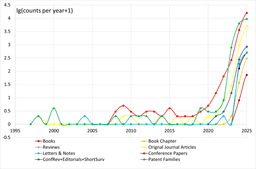
A large language model (LLM) is a neural network trained on a vast amount of text for natural language processing tasks, especially language generation. LLMs can typically generate, summarize, translate and analyze text in many contexts, and are a foundational technology behind modern chatbots. Biased or inaccurate training data can make an LLM's output less reliable.

Computer programmingLinguisticsMathematics

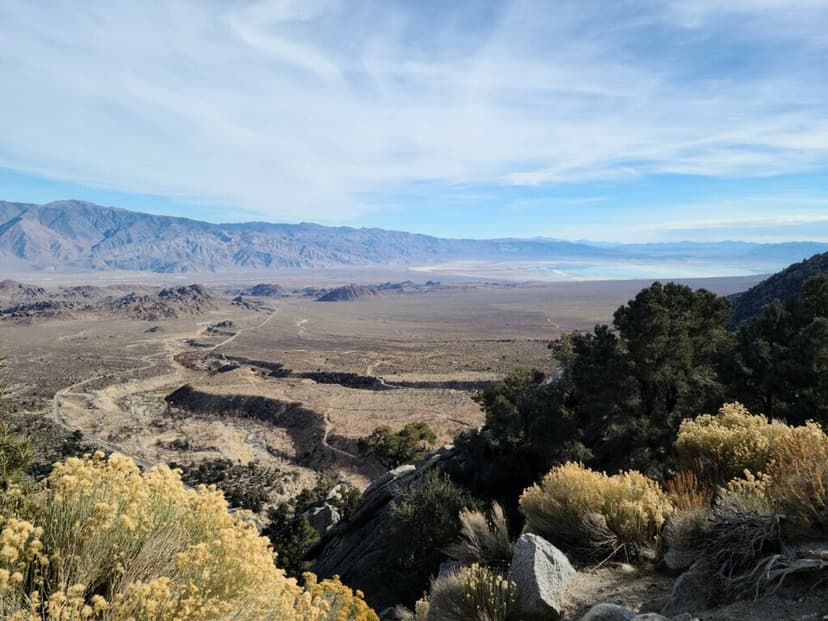
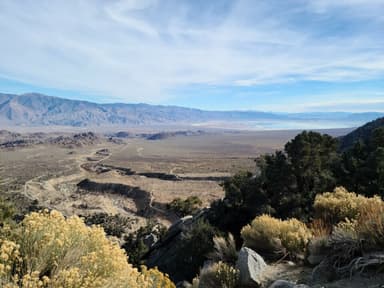
Owens Lake

Owens Lake is a dry lake in the Owens Valley on the eastern side of the Sierra Nevada in Inyo County, California. It is about 5 miles (8.0 km) south of Lone Pine. Unlike most dry lakes in the Basin and Range Province that have been dry for thousands of years, Owens held significant water until 1913, when much of the Owens River was diverted into the Los Angeles Aqueduct, causing the lake to desiccate by 1926. In 2006, 5% of the water flow was restored. As of 2013, it is the largest single source of dust pollution in the United States, and has been known since at least the 1990s as a pervasive source of fine alkaline dust containing harmful levels of particulates and chemicals.

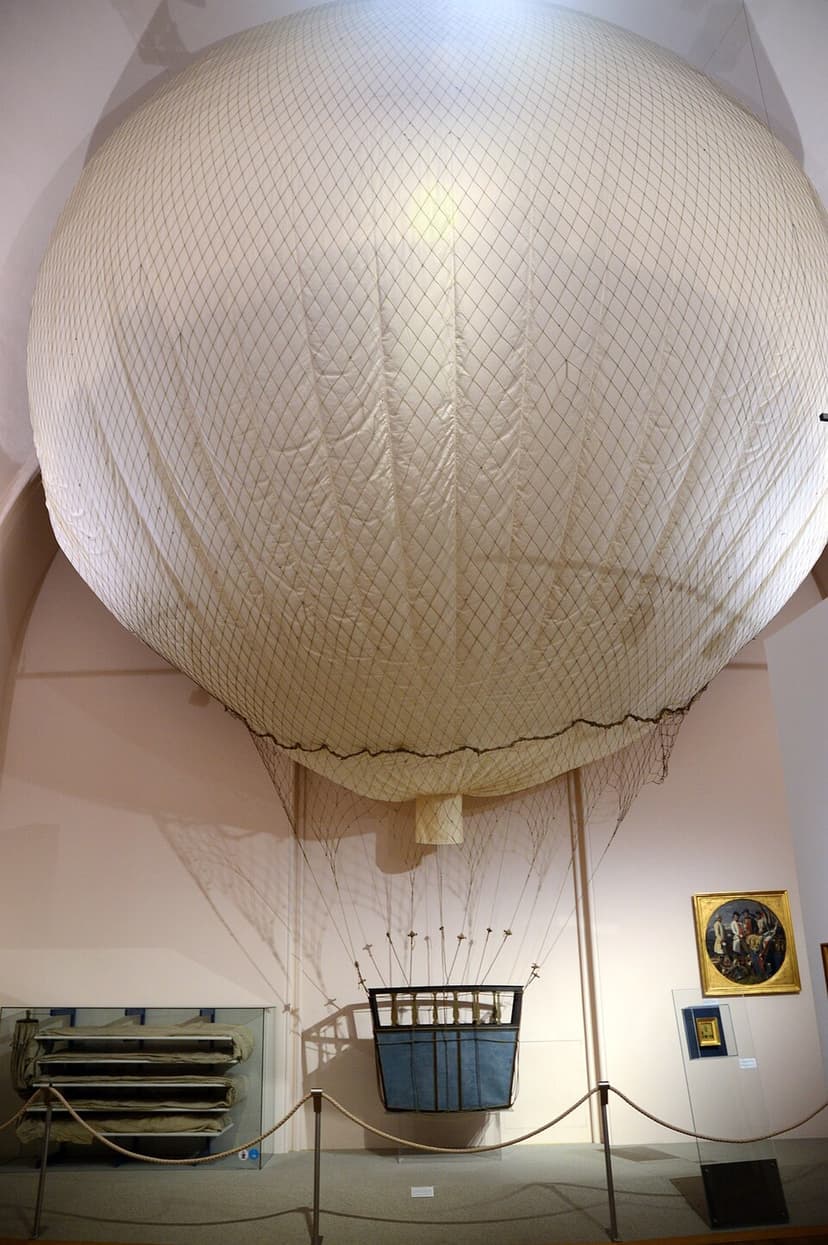
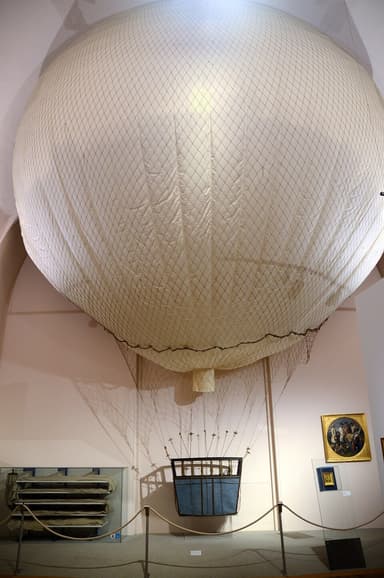
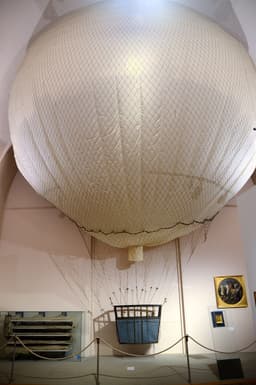
History of aviation

The history of aviation spans over two millennia, from the earliest innovations like kites and attempts at tower jumping to supersonic and hypersonic flight in powered, heavier-than-air jet aircraft. Kite flying in China, dating back several hundred years BC, is considered the earliest example of man-made flight. In the 15th-century Leonardo da Vinci designed several flying machines incorporating aeronautical concepts, but they were unworkable due to the limitations of contemporary knowledge.

Aviation

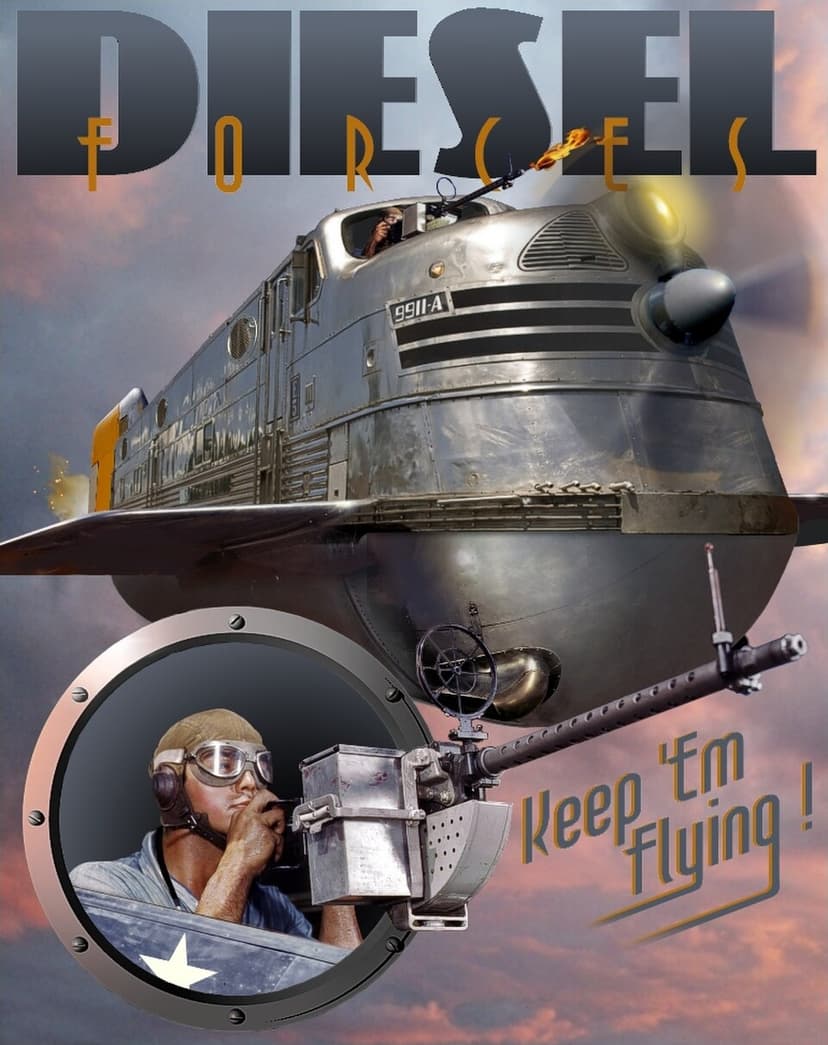
Dieselpunk

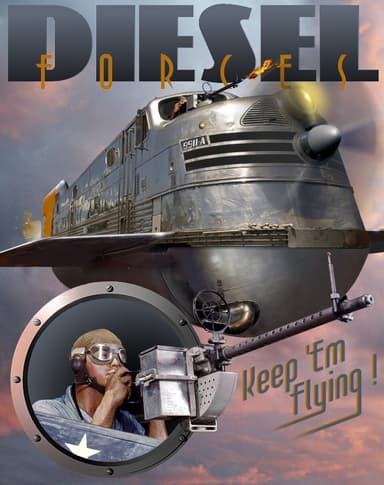
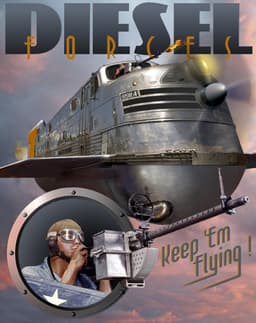
Dieselpunk is a retrofuturistic subgenre of science fiction similar to steampunk or cyberpunk that combines the aesthetics of the diesel-based technology of the interwar period through to the 1950s with retro-futuristic technology and postmodern sensibilities. Coined in 2001 by game designer Lewis Pollak to describe his tabletop role-playing game Children of the Sun, the term has since been applied to a variety of visual art, music, motion pictures, fiction, and engineering.

Speculative fiction/Science fiction

Brutalist architecture

Brutalist architecture is an architectural style that emerged during the 1950s in the United Kingdom, among the reconstruction projects of the post-war era. Brutalist buildings are known for minimalist construction showcasing the bare building materials and structural elements over decorative design. The style commonly makes use of exposed, unpainted concrete or brick, angular geometric shapes and a predominantly monochrome colour palette; other materials, such as steel, timber, and glass, are also featured.

Architecture

Inca Empire

The Inca Empire, officially known as the Realm of the Four Parts (Quechua: Tawantinsuyu pronounced [taˈwantiŋ ˈsuju], lit. 'land of four parts'), was the largest empire in pre-Columbian America. The administrative, political, and military center of the empire was in the city of Cusco. The Inca civilisation rose from the Peruvian highlands sometime in the early 13th century. The Portuguese explorer Aleixo Garcia was the first European to reach the Inca Empire in 1524. Later, in 1532, the Spanish began the conquest of the Inca Empire, and by 1572 the last Inca state was fully conquered.

CivilizationsIndigenous peoples of the AmericasMesoamerica

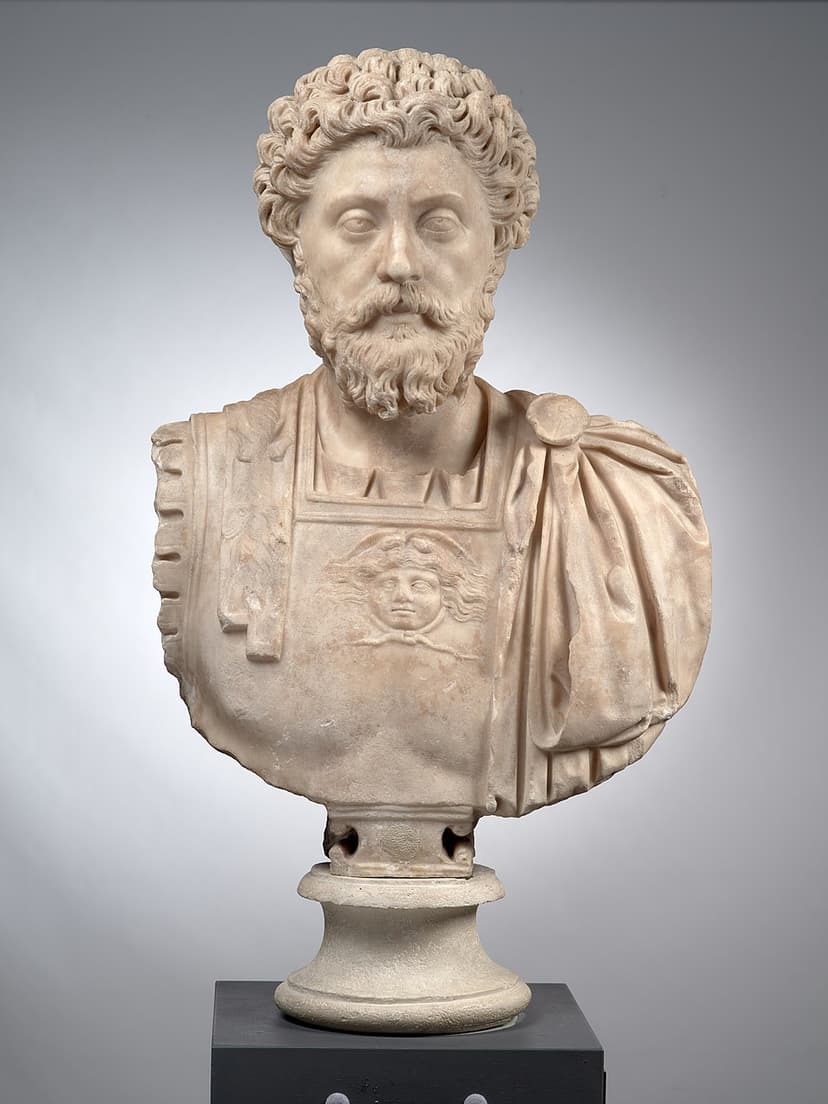
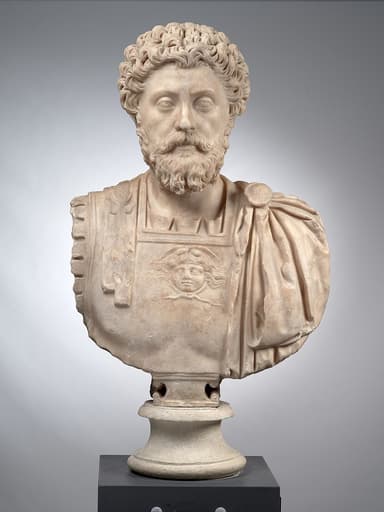
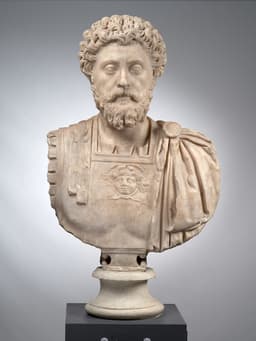
Marcus Aurelius

Marcus Aurelius Antoninus (/ɔːˈriːliəs/ or-EE-lee-əs; Latin: [ˈmaːrkʊs au̯ˈreːli.us antoːˈniːnʊs]; 26 April 121 – 17 March 180) was Roman emperor from 161 to 180 and a Stoic philosopher. He was a member of the Nerva–Antonine dynasty, the last of the rulers later known as the Five Good Emperors and the last emperor of the Pax Romana, an age of relative peace, calm, and stability for the Roman Empire lasting from 27 BC to 180 AD. He served as Roman consul in 140, 145, and 161.

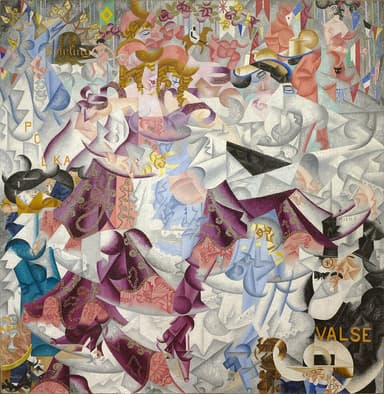
Futurism

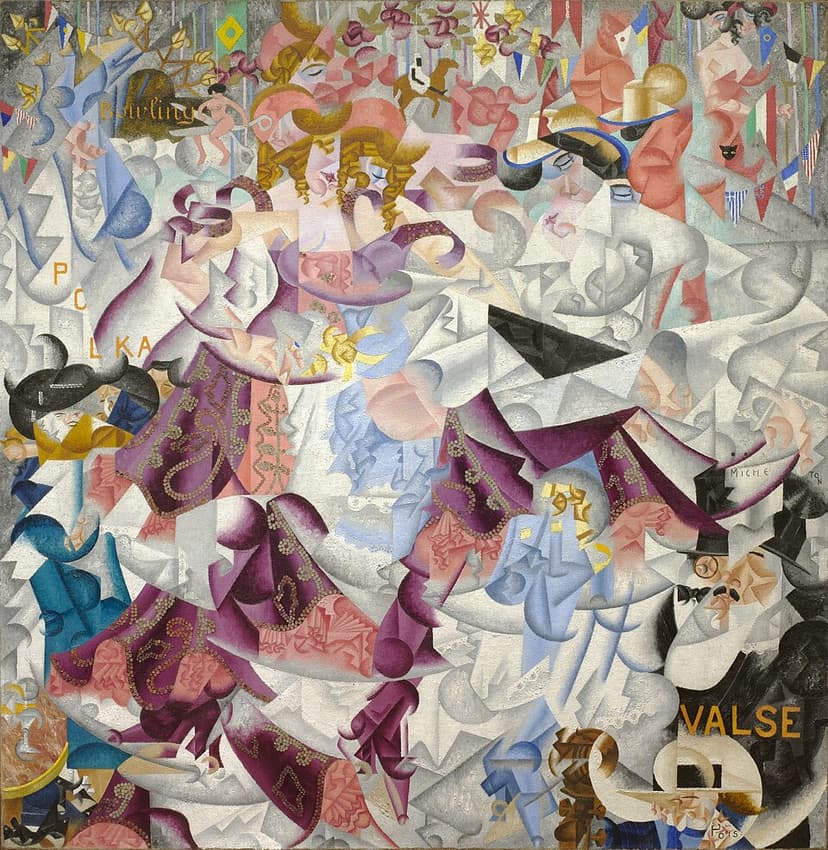
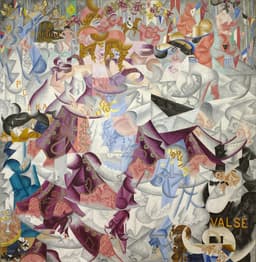
Futurism (Italian: Futurismo [futuˈrizmo]) was an artistic and social movement that originated in Italy, and to a lesser extent in other countries, in the early 20th century. It emphasized dynamism, speed, technology, youth, violence, and objects such as the car, the airplane, and the industrial city. Its key figures included Italian artists Filippo Tommaso Marinetti, Umberto Boccioni, Carlo Carrà, Fortunato Depero, Gino Severini, Giacomo Balla, and Luigi Russolo. Italian Futurism glorified modernity and, according to its doctrine, "aimed to liberate Italy from the weight of its past." Important Futurist works included Marinetti's 1909 Manifesto of Futurism, Boccioni's 1913 sculpture Unique Forms of Continuity in Space, Balla's 1913–1914 painting Abstract Speed + Sound, and Russolo's The A

Scroll with purpose, not on autopilot

Keep the habit. Replace the feed with ideas, places, and stories worth following.

Kill the brain rot

Same habit, better feed

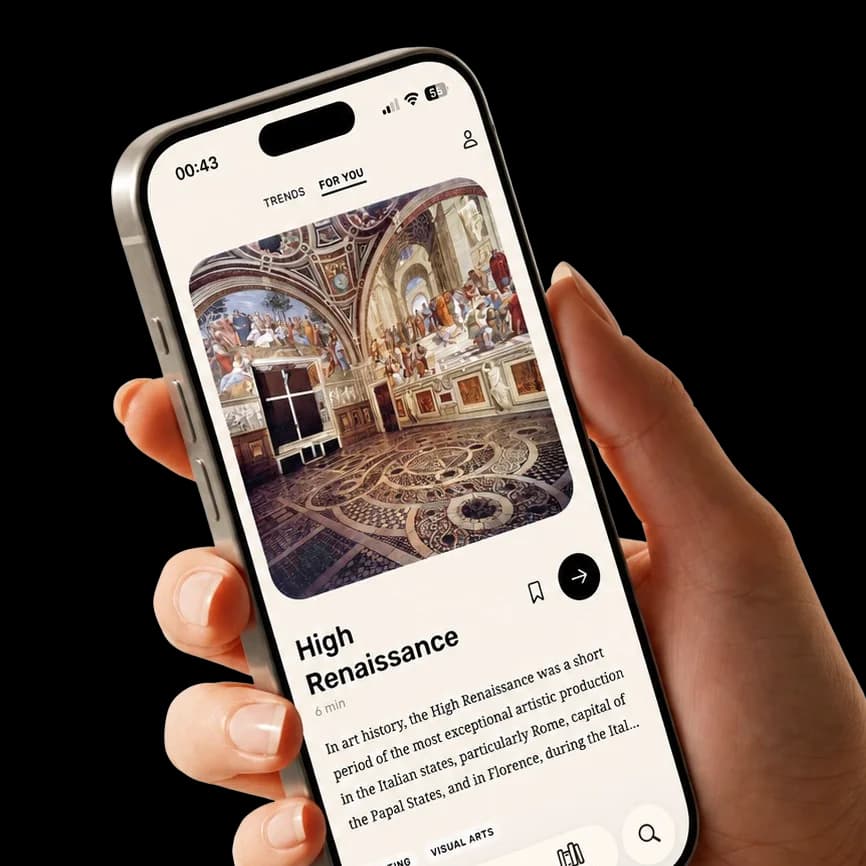
Hand holding an iPhone showing the Noys feed

See how ideas connect

Noys maps Wikipedia’s links into recommendations, so every article can open the next one.

Discover

Start from a feed built to surface articles you’re likely to read.

Noys discovery feed on iPhone

Dive

Get a clearer understanding of what you read.

Noys dive screen on iPhone

Continue

Go deeper into what catches your eye, then branch toward the next edge.

Noys continue reading screen on iPhone

Keep the trail

Save any article in one tap. Keep a trail of what caught your eye and come back when the rabbit hole calls.

Snowshoe
Snowshoe
Worldview
Worldview
Thromboangiitis obliterans
Cultural depictions of cats
Muhammad Ali vs. Ken Norton III
Mesoamerica
Mesoamerica
Evolution
Evolution
Evolution of photosynthesis
World War II
World War II
Surrealism
Surrealism
Ontology
Ontology
Maceo Parker
Maceo Parker
Tektōn
Tektōn
David (Michelangelo)
Snowshoe hare
Snowshoe hare
Niuafoʻou
Niuafoʻou
Viking Age
Viking Age
Maya civilization
Maya civilization
History of aviation
History of aviation
Marcus Aurelius
Marcus Aurelius
Streamline Moderne
Streamline Moderne
Michelangelo
Michelangelo
Nerva–Antonine dynasty
Art Deco
Art Deco
Glutamate flavoring
Glutamate flavoring
Age of Discovery
Age of Discovery
Life
Life
Impressionism
Impressionism
Scientific Revolution
Hormuz Island
Hormuz Island
Tech noir
Tech noir
Space Race
Space Race
Cricket fighting
Cricket fighting
History of computing
On the Origin of Species
Visible spectrum
Visible spectrum
Streisand effect
Streisand effect
Large language model
Dieselpunk
Dieselpunk
Futurism
Futurism
Augustin-Louis Cauchy
Age of Enlightenment
Industrial Revolution
X-ray optics
X-ray optics
Ancient Greece
Ancient Greece
Lens
Lens
Cyberpunk
Cyberpunk
Depth of field
Depth of field
Philosophy
Philosophy
Roman Empire
Roman Empire
Ann Walker
Ann Walker
Renaissance
Renaissance
Romanticism
Romanticism
Steampunk
Steampunk
Canada lynx
Canada lynx
French Revolution
French Revolution
Middle Ages
Middle Ages
Owens Lake
Owens Lake
Brutalist architecture

A first foothold

Short AI summaries make dense articles easier to get into, for free.

Noys article screen with a summary preview on iPhone

Noys summary

Got questions?

We've probably got answers.

Who is Noys for?

Noys is for curious people who want to learn, explore Wikipedia, follow ideas, discover places, and replace doomscrolling with sourced knowledge. The app is designed for anyone who wants a general knowledge feed without engagement traps. For the bigger idea, read the manifesto.

What can I find in Noys?

Noys brings together articles, places, topics, and connections from Wikipedia and open sources. You can explore a personalized feed, read articles, discover what's around you, and save what deserves another look. The manifesto explains why we start there.

Is Noys the official Wikipedia app?

No. Noys is not the official Wikipedia app. It is a discovery app that makes Wikipedia and open knowledge more visual, personal, and navigable. The content comes from existing sources; Noys adds the experience, the path, and the ways to explore.

Is Noys content AI-generated?

No. The core content is not AI-generated. Noys relies on existing articles and sources, including Wikipedia. AI may help structure, summarize, or recommend when useful, but it does not replace sources or turn Noys into a generative content feed.

How does the personalized feed work?

The Noys feed learns from the articles you open, the topics you care about, and the paths you explore. It is not built on posts, likes, or engagement bait: the goal is not to keep you hooked at any cost, but to suggest better paths, related ideas, nearby concepts, local places, and relevant rabbit holes.

Can I discover articles around me?

Yes. If you allow location access, Noys can show places, stories, and Wikipedia articles connected to your surroundings. The feature is there to reveal culture, history, and curiosities around you, not to track your movements.

Is Noys free?

Noys is free on iPhone. You can explore without an account; signing in is mainly used to save articles and keep your collection. If paid features arrive later, they should remain clear and optional.

Do I need an account to use Noys?

No. You can start exploring without an account. An account becomes useful when you want to save articles, keep a collection, and recover parts of your experience across devices.

What data does Noys collect, and how is it protected?

Noys only collects what helps the product work: account details if you sign in, favorites, reading progress, opened articles, preferences, technical analytics, and location only if you allow it. Location is permission-based, your account can be deleted, and the website has its own analytics consent separate from the app.

Is Noys available on Android?

Right now, Noys is available on iPhone. An Android version may come later depending on demand, but the current launch focuses on iOS to keep the experience polished.

I have another question. How can I contact you?

Write to us at noys@brice.design.

Start the rabbit hole

Free on iPhone. Explore without an account. Sign up only when you want to save what you find.

5.0Free, no account required

Atmospheric landscape illustration for Noys